The right task reaches the right team in seconds, not hours.
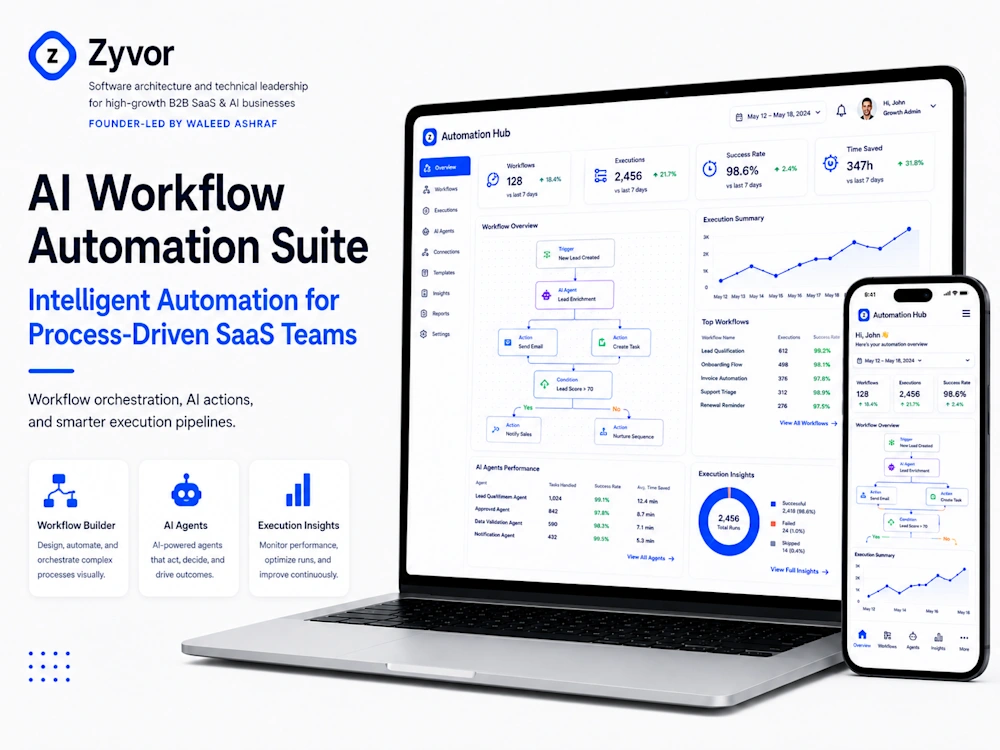
AI-Powered Task Routing
- Natural language classification using OpenAI to analyze incoming requests and route them to the correct department based on content, urgency, and historical routing patterns
- Confidence-based routing: high-confidence classifications route automatically, low-confidence ones queue for human review with AI-suggested routing and reasoning
- Continuous learning: human corrections on misrouted tasks feed back into the model, improving accuracy over time
Task routing time dropped from 2.4 hours to under 30 seconds for auto-routed tasks. Misrouting rate dropped from 18% to 3%. Operations coordinator routing workload reduced 85%