multi-tenant saas architecture case study

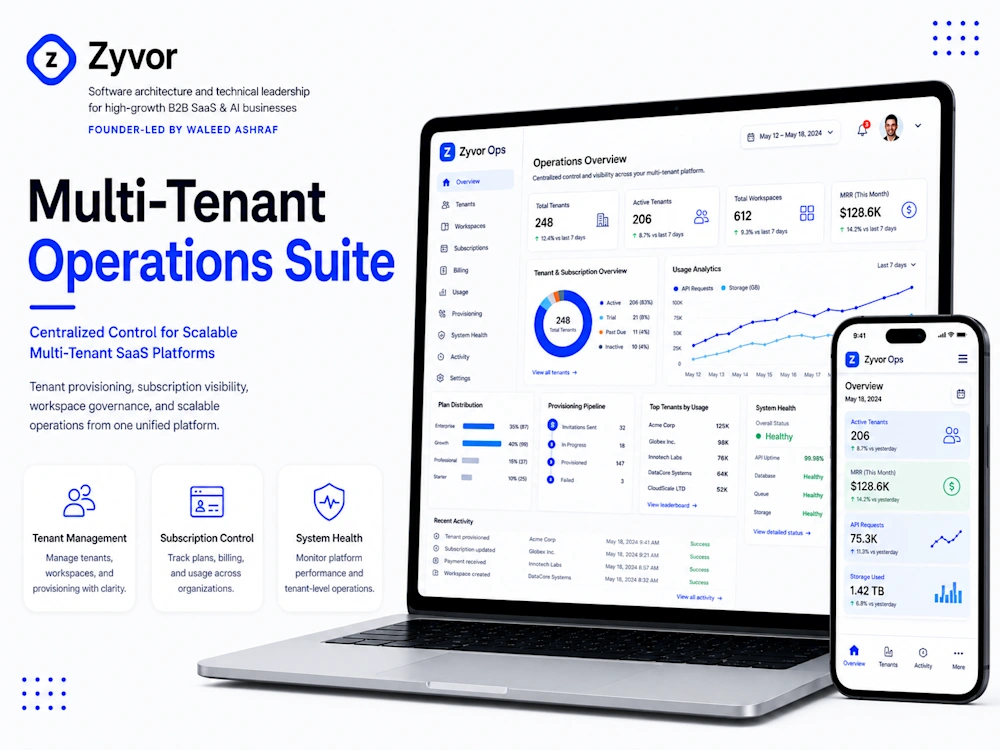
Multi-Tenant Operations Suite

Enterprise SaaS platform built with tenant isolation, automated onboarding, role-based permissions, shared infrastructure, and scalable multi-tenant architecture for secure platform growth.

Multi-Tenant Operations Suite project cover
Sarwar GroupNov 1, 2025 – Feb 28, 2026

measurable outcomes

Provisioning time

14 days to 30 minutes

Infrastructure cost

62% reduction

Tenant model

30+ tenants on shared infrastructure

Engineering handoff

0 hours per new tenant

Tenant provisioning dropped from 14 business days to under 30 minutes. Engineering time per new tenant reduced from 2 weeks to zero. 5 tenants onboarded in the first week post-launch without engineering involvement
Cross-tenant data leakage risk eliminated at the database layer. Single shared infrastructure serving 30+ tenants vs. 18 separate instances previously. Infrastructure cost reduced 62%
Permission change requests to engineering dropped to zero. Tenant admins self-managing access for 500+ users across 30 tenants. Average time to configure a new role: 3 minutes
Concrete result: Platform serving 30+ tenants on shared infrastructure. Zero cross-tenant data incidents. Tenant onboarding fully self-service. Engineering team refocused on product development

problem

What had to change.

New tenant provisioning required an engineer to manually create a database, configure environment variables, set up DNS, deploy a tenant-specific instance, and run seed scripts. Average time from contract signed to tenant live: 14 business days
No tenant isolation at the application layer. A bug in one tenant's custom configuration could (and did) crash the shared application server, taking all tenants offline. This happened 3 times in 6 months
Role-based access control was hardcoded per tenant. Adding a new permission level required a code change, a deployment, and a prayer that it didn't break another tenant's access rules
Each tenant ran on a separate application instance with its own deployment pipeline. 18 tenants meant 18 deployments for every release. A single feature update took 2 full days to roll out across all tenants
Resource usage was invisible. The company couldn't tell which tenants consumed the most compute, storage, or bandwidth. Pricing was flat-rate, meaning heavy-usage tenants were subsidized by light-usage ones
Tenant-specific customizations (branding, workflows, integrations) were implemented as code branches. 18 tenants, 18 branches, 18 merge conflicts on every release

execution

Implementation plan for a safer multi-tenant SaaS platform.

Contract signed → tenant live. Same day.

Automated Tenant Provisioning

  • Self-service tenant creation with automated database schema provisioning, DNS configuration, SSL certificate generation, and seed data population
  • Tenant configuration wizard for branding (logo, colors, domain), default roles, and initial user setup completed by the client's admin, not an engineer
  • Health check validation running automatically post-provisioning, confirming database connectivity, API access, and SSO configuration before marking the tenant as live
Tenant provisioning dropped from 14 business days to under 30 minutes. Engineering time per new tenant reduced from 2 weeks to zero. 5 tenants onboarded in the first week post-launch without engineering involvement

Every tenant's data is isolated. The infrastructure is shared.

Tenant Data Isolation on Shared Infrastructure

  • Schema-per-tenant in PostgreSQL with connection pooling and query routing ensuring tenants never see each other's data
  • Row-level security as a defense-in-depth layer: even if application logic has a bug, the database enforces tenant boundaries
  • Tenant-scoped encryption keys for data at rest, ensuring a compromised key affects only one tenant
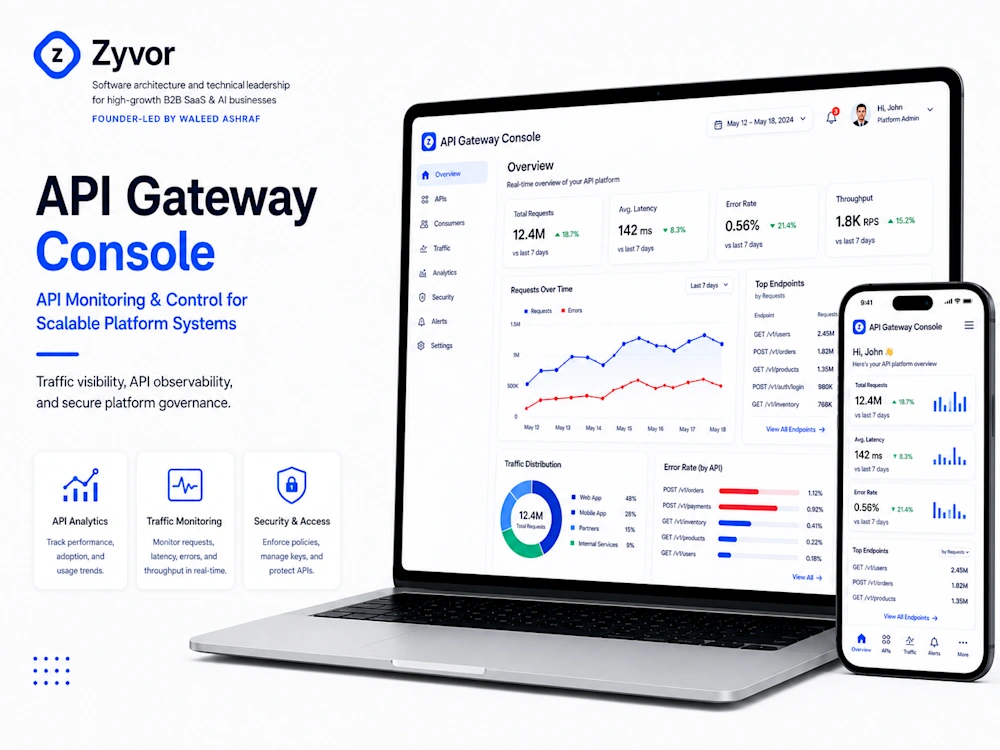
Cross-tenant data leakage risk eliminated at the database layer. Single shared infrastructure serving 30+ tenants vs. 18 separate instances previously. Infrastructure cost reduced 62%

Permissions configured per tenant without code changes.

Dynamic Role-Based Access Control

  • Configurable role and permission system with tenant-specific role definitions, resource-level access rules, and inheritance hierarchies
  • Admin UI for tenant administrators to create custom roles, assign permissions, and manage user access without contacting support
  • Permission changes take effect immediately with no deployment required. Audit log captures every permission modification
Permission change requests to engineering dropped to zero. Tenant admins self-managing access for 500+ users across 30 tenants. Average time to configure a new role: 3 minutes

One deployment. All tenants. Zero downtime.

Unified Deployment Pipeline

  • Single codebase with tenant-specific configuration stored in the database, not in code branches. Feature flags control tenant-specific functionality
  • Rolling deployments with automatic canary testing: new version deployed to 2 tenants first, monitored for 15 minutes, then rolled out to all remaining tenants
  • Instant rollback capability: any tenant can be reverted to the previous version independently if an issue is detected
Release cycle dropped from 2 days (18 separate deployments) to 25 minutes (1 rolling deployment). 18 code branches eliminated. Merge conflicts reduced to zero

Know exactly what each tenant consumes.

Tenant Usage Analytics and Fair Pricing

  • Per-tenant resource metering tracking API calls, storage consumption, compute time, and bandwidth with daily granularity
  • Usage dashboards for both the platform team (cross-tenant comparison) and tenant admins (their own consumption trends)
  • Configurable usage alerts and soft limits preventing any single tenant from degrading performance for others
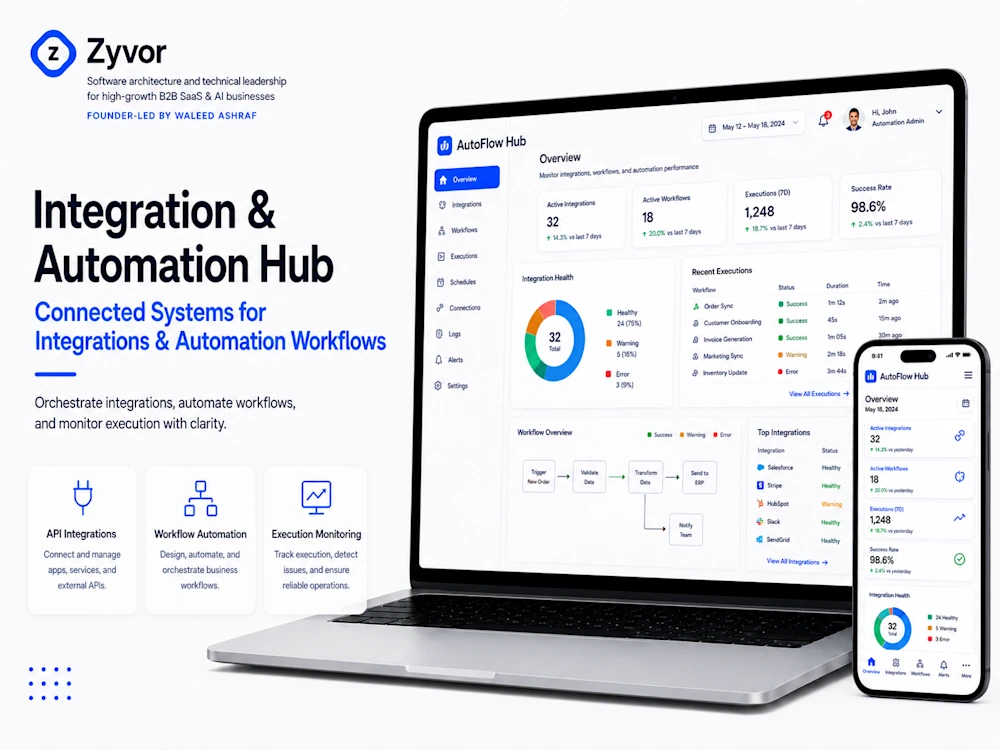
Usage data revealed 3 tenants consuming 60% of total compute. Pricing restructured to usage-based tiers, increasing revenue 22% while reducing costs for light-usage tenants

Know which tenants are healthy before support hears about it.

Tenant Health and Operational Control

  • Tenant-level health dashboard covering API latency, error rates, storage growth, failed jobs, and onboarding completion
  • Automated alerts when one tenant approaches resource limits or introduces abnormal workload patterns
  • Admin-facing operational view so support can diagnose tenant issues without escalating every question to engineering
Support escalations dropped as tenant health became visible. Platform team could isolate tenant-specific issues before they affected the broader shared infrastructure

project depth

More context behind the Multi-Tenant Operations Suite work.

Each selected project is read through business pressure, architecture tradeoffs, delivery sequencing, team operating model, role coverage, and stack fit so the case study stays useful for founders, CTOs, and product leaders evaluating similar work.

business pressure

Why the work mattered

The company was selling a SaaS product but operating it like a managed hosting business. Every new client made the engineering team slower, not faster. The project started from a real operational constraint, not a decorative rebuild, which made the architecture work accountable to business movement.

architecture pressure

Schema-per-tenant over database-per-tenant

30+ tenants on separate databases means 30+ connection pools, 30+ backup schedules, and 30+ migration runs. Schema isolation provides equivalent data separation with shared infrastructure. Tradeoff: slightly more complex migration tooling, but dramatically simpler operations

implementation priority

Automated Tenant Provisioning

Tenant provisioning dropped from 14 business days to under 30 minutes. Engineering time per new tenant reduced from 2 weeks to zero. 5 tenants onboarded in the first week post-launch without engineering involvement
operating change

What changed for the team

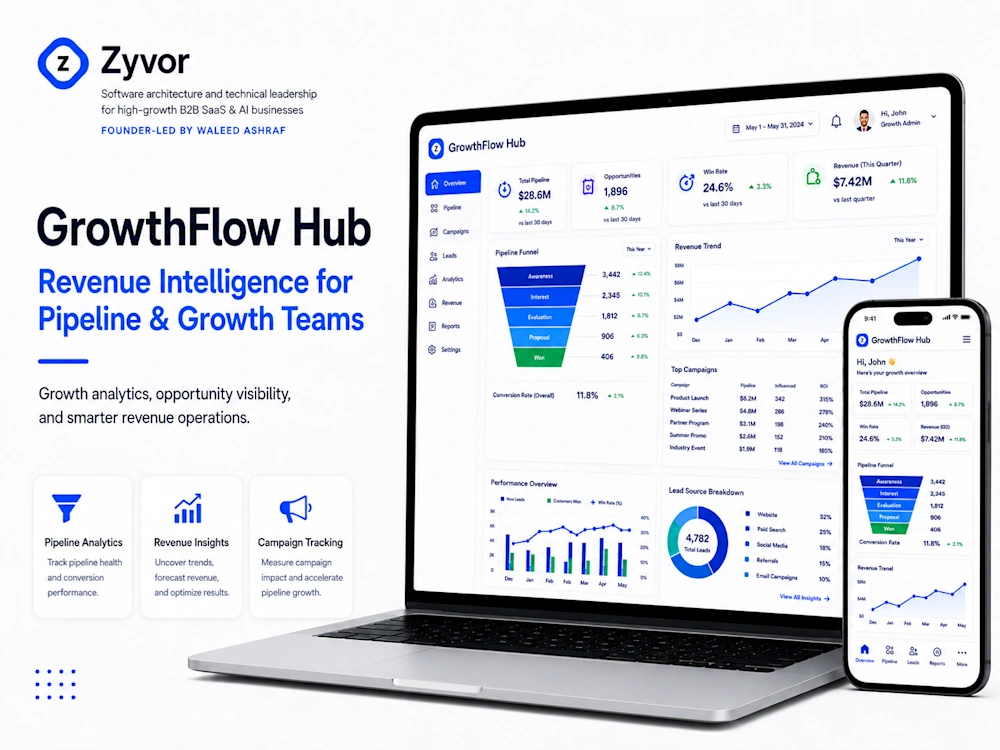
Tenant onboarding moved from manual engineering work into a repeatable platform workflow.

role coverage

Leadership and engineering coverage

The work called for software architect, technical lead, fractional cto, saas architect, full-stack engineer coverage, connecting strategy, implementation, and delivery quality instead of treating them as separate tracks.

stack fit

Technology choices in context

Next.js, React, Laravel, Node.js, TypeScript, PostgreSQL were part of the delivery context, but the value came from how the stack supported maintainability, scalability, and a stronger path from architecture to production.

architecture decisions

Technical choices that mattered.

Schema-per-tenant over database-per-tenant

30+ tenants on separate databases means 30+ connection pools, 30+ backup schedules, and 30+ migration runs. Schema isolation provides equivalent data separation with shared infrastructure. Tradeoff: slightly more complex migration tooling, but dramatically simpler operations

Docker with Kubernetes over bare EC2

Multi-tenant workloads need resource isolation and automatic scaling. Kubernetes namespaces provide compute isolation per tenant when needed, and horizontal pod autoscaling handles traffic spikes without manual intervention

Feature flags over code branches

Tenant-specific functionality controlled via LaunchDarkly-style feature flags stored in the database. No more branch-per-tenant. A single codebase serves all tenants with configuration-driven behavior differences

PostgreSQL connection pooling via PgBouncer

30+ tenant schemas sharing one database cluster. PgBouncer manages connection pooling across tenants, preventing any single tenant from exhausting the connection limit during peak usage

operating model

Architecture changes were tied directly to how the software business would operate after launch.

Tenant onboarding moved from manual engineering work into a repeatable platform workflow.
Access control, usage visibility, and support diagnostics became tenant-admin and operations capabilities.
Engineering time shifted away from one-off tenant setup toward product improvement and platform reliability.

results

What changed after the work.

Tenant onboarding became a self-service product capability instead of an engineering queue. New enterprise clients could move from contract to live workspace in under 30 minutes.
The platform moved from separate tenant instances to shared infrastructure with database-enforced isolation, removing cross-tenant leakage risk while cutting infrastructure cost.
Release operations became dramatically simpler: one codebase, one deployment path, tenant-specific configuration in the database, and rollback paths that no longer depended on branch management.
Leadership gained tenant-level usage visibility, making pricing and support decisions more accurate instead of subsidizing heavy tenants with flat-rate plans.

Week 1

Automated provisioning live. 5 tenants onboarded in the first week without engineering involvement. Provisioning time: under 30 minutes each

Week 3

18 separate instances migrated to shared infrastructure. 18 code branches eliminated. Infrastructure cost dropped 62%

Month 1

Unified deployment pipeline running. Release cycle from 2 days to 25 minutes. Dynamic RBAC live, permission requests to engineering dropped to zero

Month 2

Usage analytics revealed pricing imbalance. 3 heavy-usage tenants identified. Pricing restructured to usage-based tiers, revenue up 22%

Month 6

Platform serving 30+ tenants on shared infrastructure. Zero cross-tenant data incidents. Tenant onboarding fully self-service. Engineering team refocused on product development

Final outcome

Platform serving 30+ tenants on shared infrastructure. Zero cross-tenant data incidents. Tenant onboarding fully self-service. Engineering team refocused on product development

buyer relevance

Why this project belongs in Zyvor software architecture work.

Software architecture signal

Multi-Tenant Operations Suite shows how architecture decisions can move from implementation detail into business leverage for computer software teams.

Technical leadership signal

The work connects software architect, technical lead, fractional cto responsibilities with delivery clarity, execution confidence, and a cleaner operating model.

Scale-readiness signal

Platform serving 30+ tenants on shared infrastructure. Zero cross-tenant data incidents. Tenant onboarding fully self-service. Engineering team refocused on product development

What kind of business is Multi-Tenant Operations Suite most relevant for?

This project is most relevant for computer software and computer software teams that need stronger software architecture, clearer technical direction, and more reliable execution as product or operational complexity increases.

What did Zyvor focus on in this selected work?

I rebuilt the platform as a true multi-tenant architecture with shared infrastructure, tenant isolation at the data layer, automated provisioning, and a configurable permissions system. Goal: onboard a new tenant in minutes, not weeks, with zero engineering involvement. The work was framed around practical architecture decisions, delivery ownership, and measurable business outcomes rather than advisory language alone.

How does this support Zyvor's software architecture consulting focus?

Multi-Tenant Operations Suite supports Zyvor's focus on B2B SaaS and AI software architecture consulting by connecting system design, technical leadership, scalability, and execution quality to a concrete project outcome: Platform serving 30+ tenants on shared infrastructure. Zero cross-tenant data incidents. Tenant onboarding fully self-service. Engineering team refocused on product development

What kind of technical leadership problem does this represent?

It represents the point where delivery pressure, architecture ownership, and business expectations start converging. In work like Multi-Tenant Operations Suite, technical leadership is not only about writing code; it is about choosing the right sequence, reducing ambiguity, and giving the team a clearer execution model.

What should a founder or CTO notice in this project?

A founder or CTO should notice the link between the business problem and the technical system underneath it. The most important signal is not a tool choice by itself; it is how the architecture, implementation lanes, and operating model support a measurable business result.

Does this kind of work require a full rebuild?

Not always. The right engagement depends on where the risk sits. Some projects need a focused architecture reset, some need modernization, and some need new product development. Zyvor frames the work around the smallest practical path to stronger scalability, reliability, and delivery confidence.

Decision context

The company was selling a SaaS product but operating it like a managed hosting business. Every new client made the engineering team slower, not faster. That business pressure shaped the architecture choices, implementation order, and operating model behind the work.

Delivery leverage

Tenant provisioning dropped from 14 business days to under 30 minutes. Engineering time per new tenant reduced from 2 weeks to zero. 5 tenants onboarded in the first week post-launch without engineering involvement This is the kind of delivery leverage Zyvor looks for: fewer bottlenecks, clearer ownership, and better execution rhythm.

Architecture handoff

The project covered Next.js, React, Laravel, Node.js, TypeScript while keeping the handoff focused on maintainability, future change, and leadership clarity instead of isolated implementation tasks.

Best-fit conversation

A similar engagement usually starts with the current bottleneck, the architecture decision that feels stuck, and the business risk that is becoming harder to ignore.