
Clearer AI system direction
Primary outcome
Our Services AI Architecture Consulting
When AI starts touching real workflows, buyers care about reliability, ownership, and trust—not demos. Zyvor’s AI architecture consulting starts from that business outcome, then brings product engineering depth so integrations, data flow, and operations stay coherent. Product engineering backed by strong software architecture — part of Zyvor’s end-to-end digital product capability.
System view
AI Architecture Consulting
Useful when AI features are adding product value but also new system complexity.
Strong fit for teams that need clearer software boundaries, integration safety, and operational clarity.
Designed for product teams that want AI decisions to support growth, not just experimentation.
Service overview
What it is
AI can create customer value fast, but it also introduces new product pressure. Zyvor frames the work around safer growth and clearer ownership first, then applies architecture and product engineering judgment so data movement, latency, provider dependency, and observability stay aligned inside the Digital Product Agency model.
Who it is for
When teams bring this in
How Zyvor approaches it
Often starts as a review of existing AI-enabled product architecture Can pair with performance work, observability improvements, or broader modernization Strong complement to AI software development for AI-heavy products
Primary outcome
Architecture outcome
Delivery outcome
The practical technical direction covered in this engagement — before the deeper review areas below.
Part of the practical technical direction covered in this engagement.
Part of the practical technical direction covered in this engagement.
Part of the practical technical direction covered in this engagement.
Part of the practical technical direction covered in this engagement.
A second layer of scope so buyers can see the systems, risks, and decision areas this advisory can clarify.
AI system boundaries
Covered when this engagement clarifies delivery risk.
Covered when this engagement clarifies delivery risk.
Covered when this engagement clarifies delivery risk.
Data and orchestration
Covered when this engagement clarifies delivery risk.
Covered when this engagement clarifies delivery risk.
Covered when this engagement clarifies delivery risk.
Product integration
Covered when this engagement clarifies delivery risk.
Covered when this engagement clarifies delivery risk.
Covered when this engagement clarifies delivery risk.
Operational readiness
Covered when this engagement clarifies delivery risk.
Covered when this engagement clarifies delivery risk.
Covered when this engagement clarifies delivery risk.
Best AI fit. Built for US and UK founders, product leaders, and teams that need a Digital Product Agency partner — not vague outsourcing.
AI-enabled features are shipping, but ownership and integration decisions are still fuzzy.
The team needs better software architecture around data flow, orchestration, and operational reliability.
Leaders want AI capabilities to scale into customer demand without creating hidden delivery fragility.
There is pressure to move fast, but not enough clarity on system boundaries or long-term risk.
Common challenges
AI-enabled features are shipping, but ownership and integration decisions are still fuzzy.
The team needs better software architecture around data flow, orchestration, and operational reliability.
Leaders want AI capabilities to scale into customer demand without creating hidden delivery fragility.
There is pressure to move fast, but not enough clarity on system boundaries or long-term risk.
How Zyvor helps
AI system boundary review across product, platform, and integration layers
Safer integration and ownership decisions tied to real delivery pressure
Architecture guidance around operational clarity, observability, and failure modes
A practical path for scaling AI-enabled product behavior with more confidence
01
Clarify the growth pressure, product risk, team context, customer expectations, and technical decision surface before recommendations are made.
02
Review the system boundaries, technical debt, operational risk, prioritization model, and leadership decisions that affect delivery confidence.
03
Turn the findings into practical decisions, roadmap sequencing, remediation priorities, and leadership clarity the team can act on.
Technology areas commonly reviewed when this service clarifies risk, scale, and delivery decisions.
OpenAI reviewed when architecture and delivery decisions depend on it.
Vector databases reviewed when architecture and delivery decisions depend on it.
Node.js reviewed when architecture and delivery decisions depend on it.
Express.js reviewed when architecture and delivery decisions depend on it.
TypeScript reviewed when architecture and delivery decisions depend on it.
PostgreSQL reviewed when architecture and delivery decisions depend on it.
Supabase reviewed when architecture and delivery decisions depend on it.
AWS reviewed when architecture and delivery decisions depend on it.
Docker reviewed when architecture and delivery decisions depend on it.
Redis reviewed when architecture and delivery decisions depend on it.
Observability reviewed when architecture and delivery decisions depend on it.
Continue into the next useful service path for this buyer journey.
View detailContinue into the next useful service path for this buyer journey.
View detailContinue into the next useful service path for this buyer journey.
View detailRelevant technical proof for this service under real product pressure.
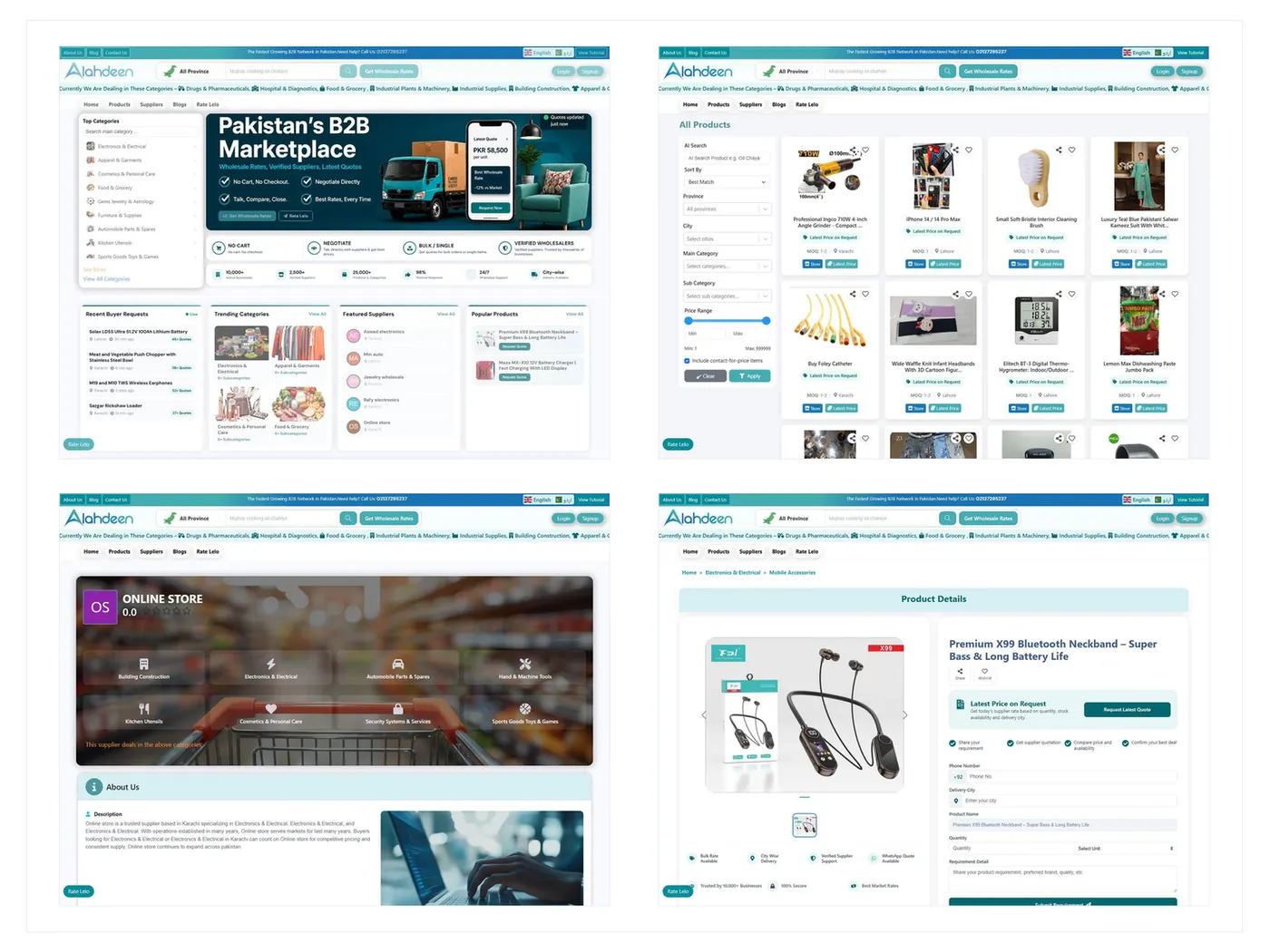
B2B Marketplace
A multi-vendor B2B marketplace connecting wholesale buyers, suppliers, catalogs, storefronts, leads, quotations, and seller operations.
View detail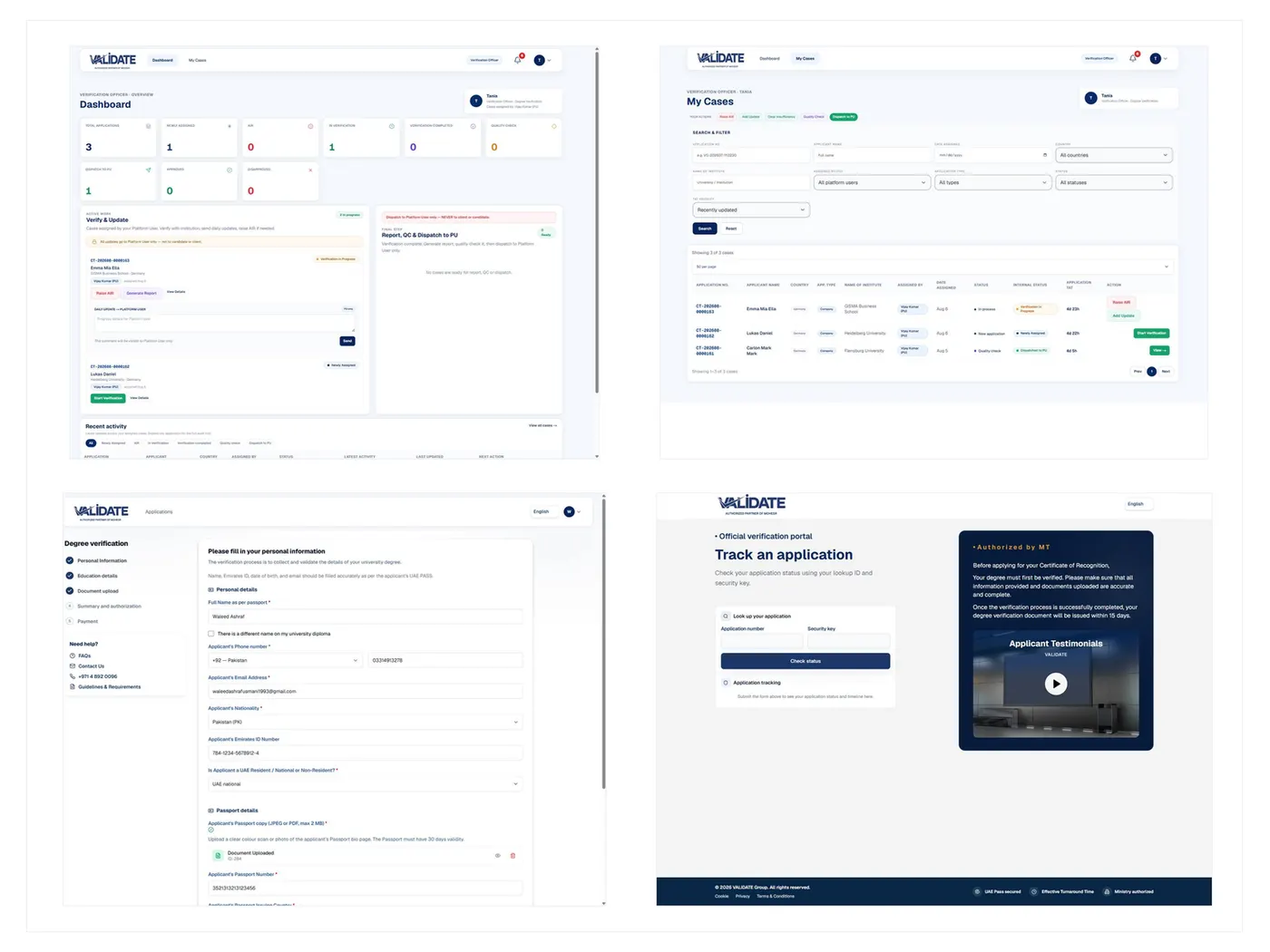
Verification / RegTech
A five-portal verification operations system for applicants, company administrators, processing teams, verification officers, and super administrators.
View detail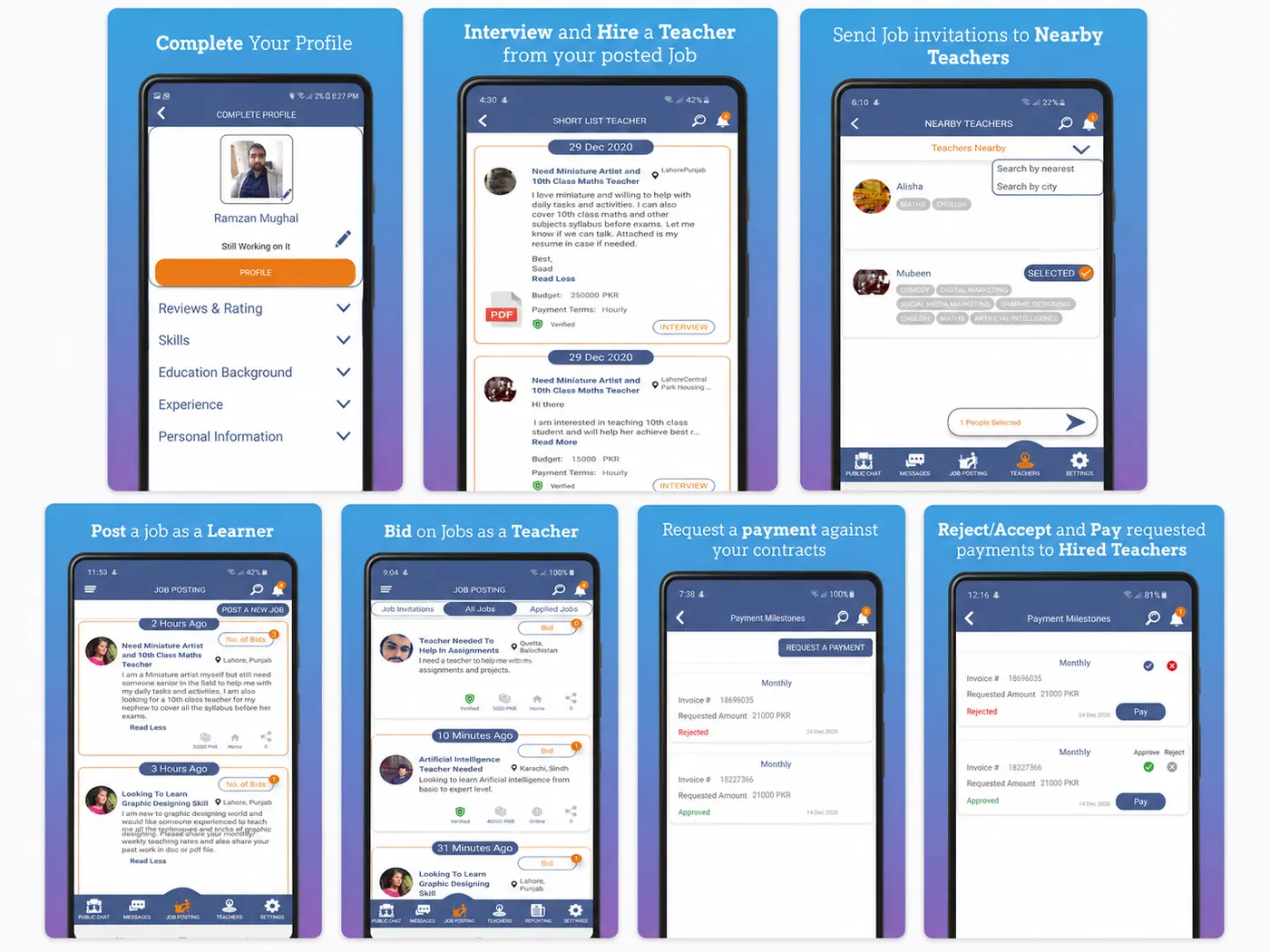
EdTech Marketplace
A two-sided learning marketplace mobile app connecting students and teachers through jobs, bids, profiles, chat, interviews, engagement decisions, and payment requests.
View detailFast delivery, project management, and app development quality
Zyvor has been an excellent development partner. They deliver quickly, manage projects well, and the quality of work has been consistently strong.
Ellina Vasilevsky
Operations Director, Limay Media
Multi-project software leadership and productivity
Handles multiple projects with clarity and raises the productivity of every team around him. Highest recommendation.
Syed Wahab Hussain
AI Engineering Manager | Engineering Head | Software Consultant
Related depth
Keep architecture practical by linking into product engineering, modernization, performance, and the wider Zyvor service model.
Digital Product Agency model: Strategy, Design, Technology, and Growth.
Product strategy, discovery, MVP roadmap, and go-to-market before expensive builds.
Product design, design systems, web/mobile UX, and conversion-focused interfaces.
Product engineering for SaaS, AI, web, and mobile — architecture as support, not the brand.
Clarify ICP, MVP boundaries, and roadmap so design and engineering build the right product.
View detailValidate B2B workflows and buyer friction before you hard-code assumptions.
View detailDesign SaaS experiences that make complex workflows clear, trustworthy, and usable.
View detailGrow demand with SEO and growth work tied to offers you can actually deliver.
View detailSaaS, AI, web, mobile, backend APIs, and DevOps — inside the same Digital Product Agency model as Strategy, Design, and Growth.
Frontend, backend, APIs, databases, subscriptions, dashboards, integrations, and deployment.
View detailAI-enabled products, automation, LLM workflows, orchestration, and production readiness.
View detailPortals, dashboards, admin tools, workflow platforms, and custom web applications.
View detailiOS and Android delivery connected to shared APIs, auth, notifications, and product data.
View detailSecure APIs, roles, permissions, integrations, queues, webhooks, payments, and data foundations.
View detailCI/CD, cloud ops, monitoring, and production support connected to product delivery.
View detailMove into proof, insights, or a conversation when the challenge is clear enough to discuss.
Compare Strategy, Design, Technology, and Growth paths.
View detailFlagship projects across SaaS, marketplaces, web, and mobile.
View detailHow strategy, design, and engineering connect to outcomes.
View detailPractical guidance for scaling product and engineering teams.
View detailNamed proof around delivery and partnership quality.
View detailBring the product challenge into a direct conversation.
View detailBest for US and UK high-growth B2B SaaS and AI businesses that need software architecture clarity, technical leadership support, and a better next step before complexity compounds business risk.