
Development
Observability strategy for SaaS and AI products
A practical guide to observability strategy for SaaS and AI products where customer trust, performance, support diagnostics, and architecture decisions need better visibility.
Waleed Ashraf
Zyvor
5 min read
Development
Observability strategy for SaaS and AI p…
Observability, reliability, customer impact, and AI workflow visibility
Protect customer trust when you cannot see what is failing in production. This insight starts from that business outcome, then outlines an observability approach for SaaS and AI products inside Zyvor’s product engineering capability.
A practical guide to observability strategy for SaaS and AI products where customer trust, performance, support diagnostics, and architecture decisions need better visibility.
1. What this usually looks like
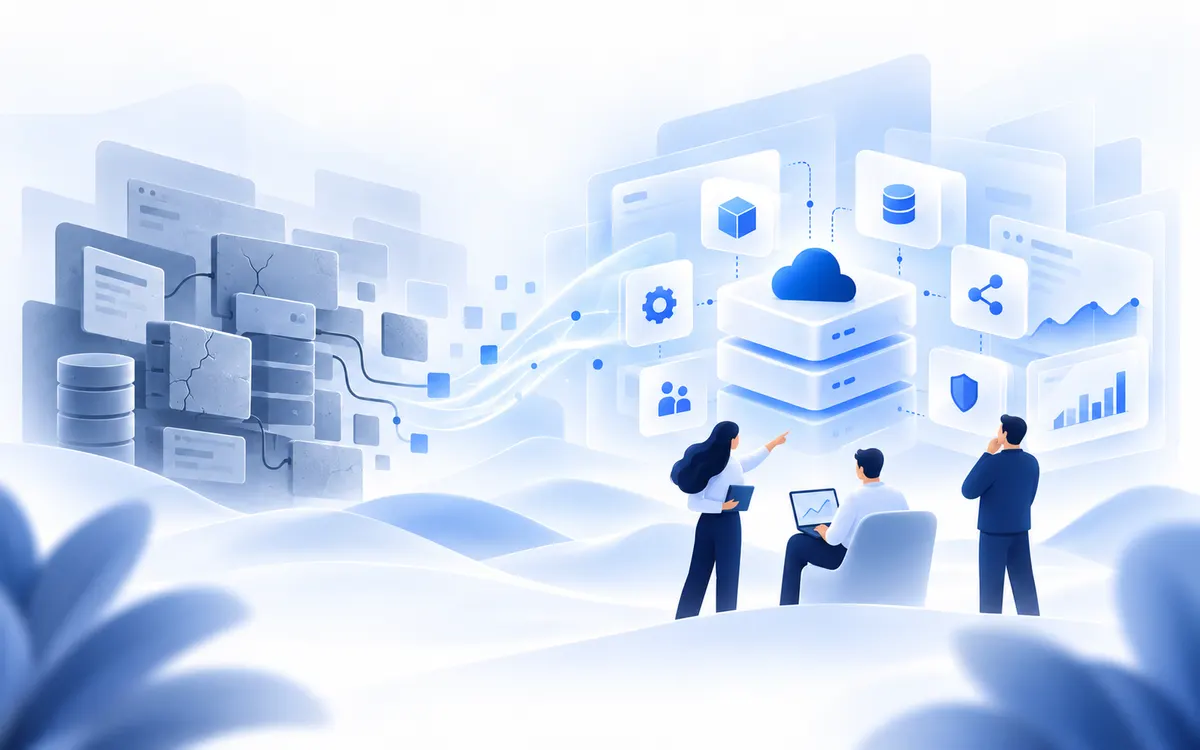
The pattern is usually visible before it is named. These are the signals leadership teams tend to notice first.
- The team can see infrastructure metrics but not customer-facing impact clearly enough.
- AI workflows introduce latency, failure modes, or support questions that are difficult to trace.
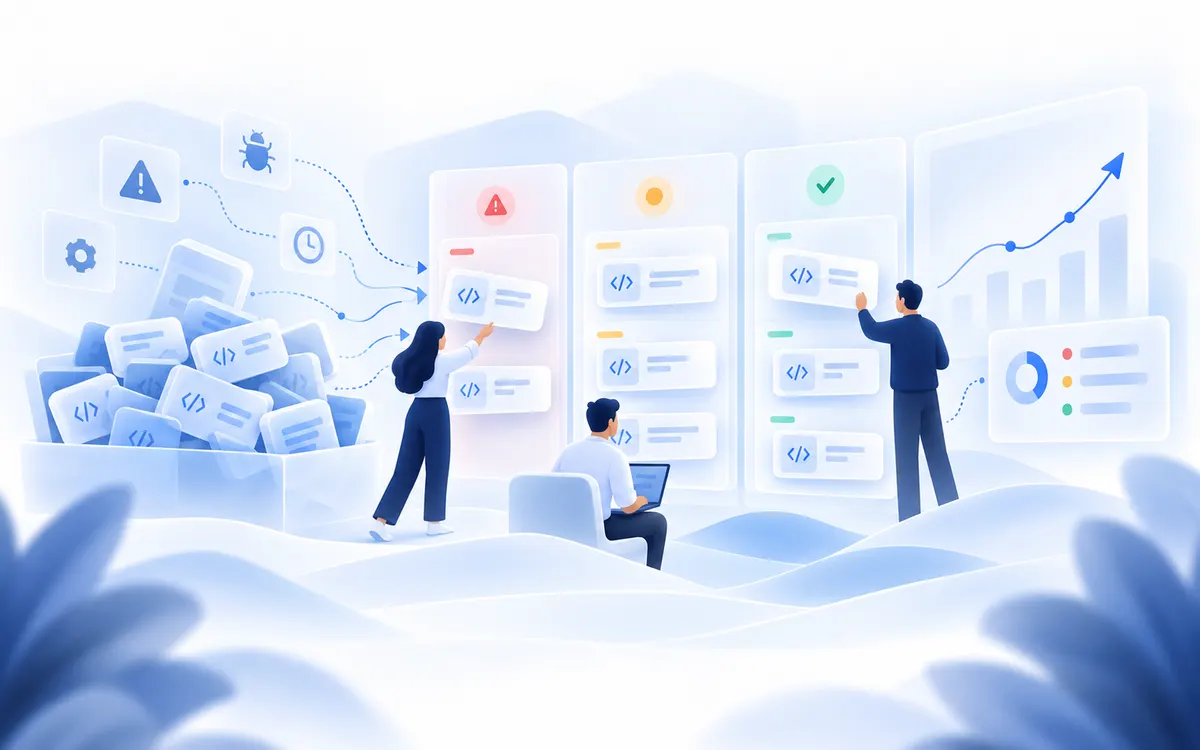
- Incident reviews do not consistently produce architecture or product decisions.
- Support, product, and engineering teams do not share the same view of reliability risk.
Observability, reliability, customer impact, and AI workflow visibility
2. Useful observability starts from customer impact.
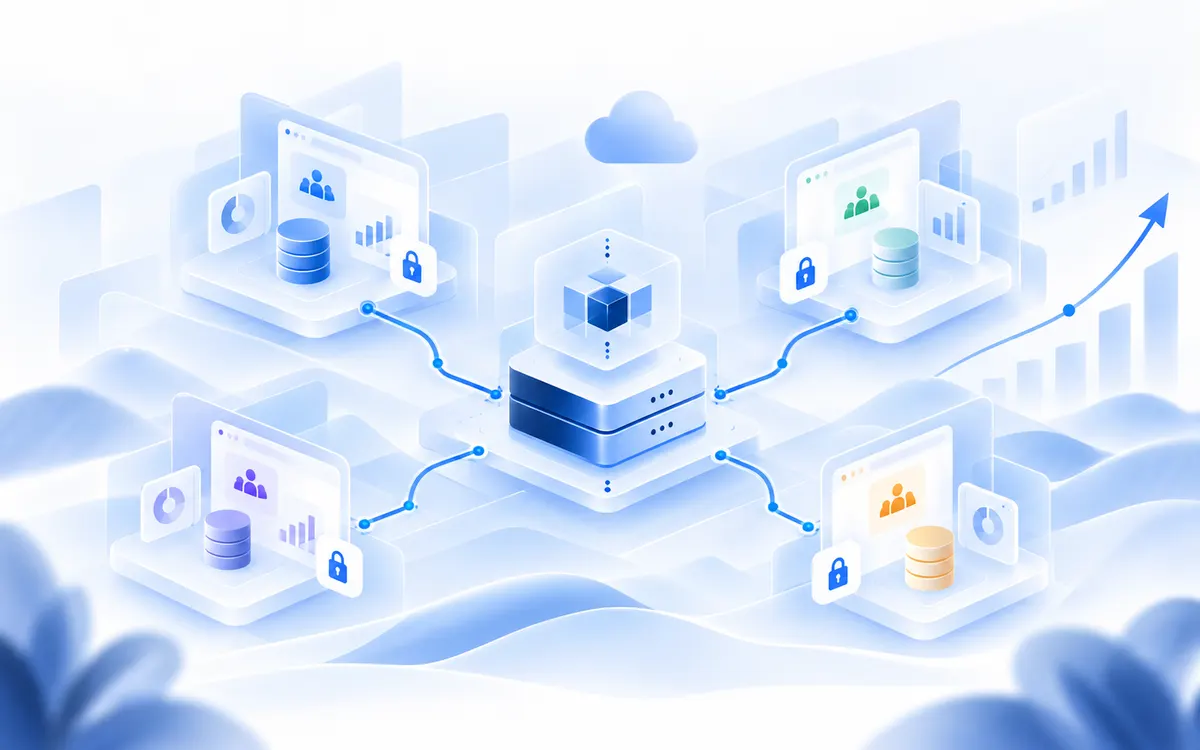
Dashboards are only valuable when they help teams understand what customers are experiencing. A strong observability strategy connects technical signals to workflows, tenants, accounts, product surfaces, and support outcomes.
3. AI products need observability across model, data, and workflow behavior.
AI-enabled features add new questions: where latency comes from, which data paths were used, what fallback behavior triggered, and how model behavior affected the customer workflow. Traditional monitoring often misses those product-level signals.
4. The leadership value is better prioritization, not more charts.
The point of observability is to improve decisions. When leaders can see customer impact, workload patterns, and recurring failure behavior clearly, they can prioritize architecture, reliability, and product work with far more confidence.
5. A practical way to use this
The value of the article is not a generic checklist. It is a clearer sequence: notice the signal, name the constraint, and choose the smallest move that restores decision quality.
- The team can see infrastructure metrics but not customer-facing impact clearly enough.
- AI workflows introduce latency, failure modes, or support questions that are difficult to trace.
- Incident reviews do not consistently produce architecture or product decisions.
- Support, product, and engineering teams do not share the same view of reliability risk.
Questions that usually come next
What is the difference between monitoring and observability?
Monitoring tells teams whether known signals look healthy. Observability helps teams understand unfamiliar failures, customer impact, workload behavior, and why the system is behaving the way it is.
Why does observability matter for AI products?
AI products introduce model behavior, data retrieval, latency, fallback states, and customer trust questions. Without observability across those paths, teams cannot improve reliability confidently.
From this insight
Key takeaways
The points worth carrying into your next product or architecture conversation.
Share one operating model
The team can see infrastructure metrics but not customer-facing impact clearly enough.
Protect the boundaries
AI workflows introduce latency, failure modes, or support questions that are difficult to trace.
Sequence the hard parts
Incident reviews do not consistently produce architecture or product decisions.
Build for change
Support, product, and engineering teams do not share the same view of reliability risk.
Explore related services
Product Strategy
Define the right product, opportunity, and direction before execution begins.
Product Design
Create clear, intuitive experiences that people can understand and enjoy.
Product Development
Build reliable digital products across web, mobile, commerce, and AI.
Product Growth
Improve performance, visibility, and product value after launch.
Next step
Turn your ideas into impact.
If this way of thinking is already familiar, we can help you turn it into a product people can use.