
39% reduced
Roadmap-blocking dependencies
Case Studies Legacy B2B SaaS platform
A scaling SaaS platform needed modernization clarity before legacy constraints started dictating roadmap velocity, customer commitments, and engineering confidence.
Digital Product Agency
Legacy B2B SaaS platform
Roadmap-blocking dependencies
39% reduced
Company context
Legacy B2B SaaS platform
Focus
The work translated legacy drag into a practical modernization sequence …
Business pressure
For a growth-stage business, modernization has to protect revenue moment…
Outcome
39% reduced
Case overview
Situation
The platform still worked, but every important product change touched older assumptions. Engineering leaders could feel the drag, while the business needed a clearer answer than a risky rewrite or endless cleanup backlog.
Business context
For a growth-stage business, modernization has to protect revenue momentum. The goal was to improve the architecture while keeping the product moving and giving leadership a defensible sequence of decisions.
Why the previous approach failed
Previous cleanup efforts were too local. They improved isolated areas but did not change the larger pattern: unclear boundaries, fragile dependencies, and architecture decisions that slowed new product work.
Roadmap-blocking dependencies
Change review cycle
Rewrite scope avoided
The business gained a modernization path that reduced delivery drag, clarified ownership, and avoided the fa…
Challenges
Legacy constraints were shaping too many roadmap decisions and increasing delivery uncertainty.
The team lacked a shared model for what to modernize first, what to defer, and what to leave alone.
Leadership needed modernization framed by business risk rather than engineering frustration alone.
Approach
Mapped legacy pressure points by customer impact, delivery drag, operational risk, and architecture leverage.
Separated high-value modernization moves from low-leverage cleanup so engineering effort stayed focused.
Created a phased roadmap that improved boundaries and reliability while preserving product delivery momentum.
Impact
The business gained a modernization path that reduced delivery drag, clarified ownership, and avoided the false choice between a full rewrite and unmanaged technical debt.
The work translated legacy drag into a practical modernization sequence tied to business impact, delivery risk, ownership boundaries, and product roadmap pressure.
Roadmap-blocking dependencies
39% reduced
Change review cycle
2.3x faster
Rewrite scope avoided
71% deferred safely
Who this is relevant for
Scaling SaaS teams where legacy constraints are starting to shape product strategy
Founders deciding whether modernization is urgent, optional, or already overdue
Engineering teams that need a practical path rather than a broad rewrite conversation
These are the pressure signals that usually mean this kind of architecture and observability work should come before more product expansion.
Signal 1
When the same fragile areas appear in roadmap planning again and again
Signal 2
When modernization needs to be sequenced against customer and product commitments
Signal 3
When leaders need outside architecture judgment to separate leverage from noise
Continue into the service path that matches this case pressure.
View detailContinue into the service path that matches this case pressure.
View detailContinue into the service path that matches this case pressure.
View detailContinue into the service path that matches this case pressure.
View detailNearby delivery proof for buyers comparing similar product and architecture pressure.
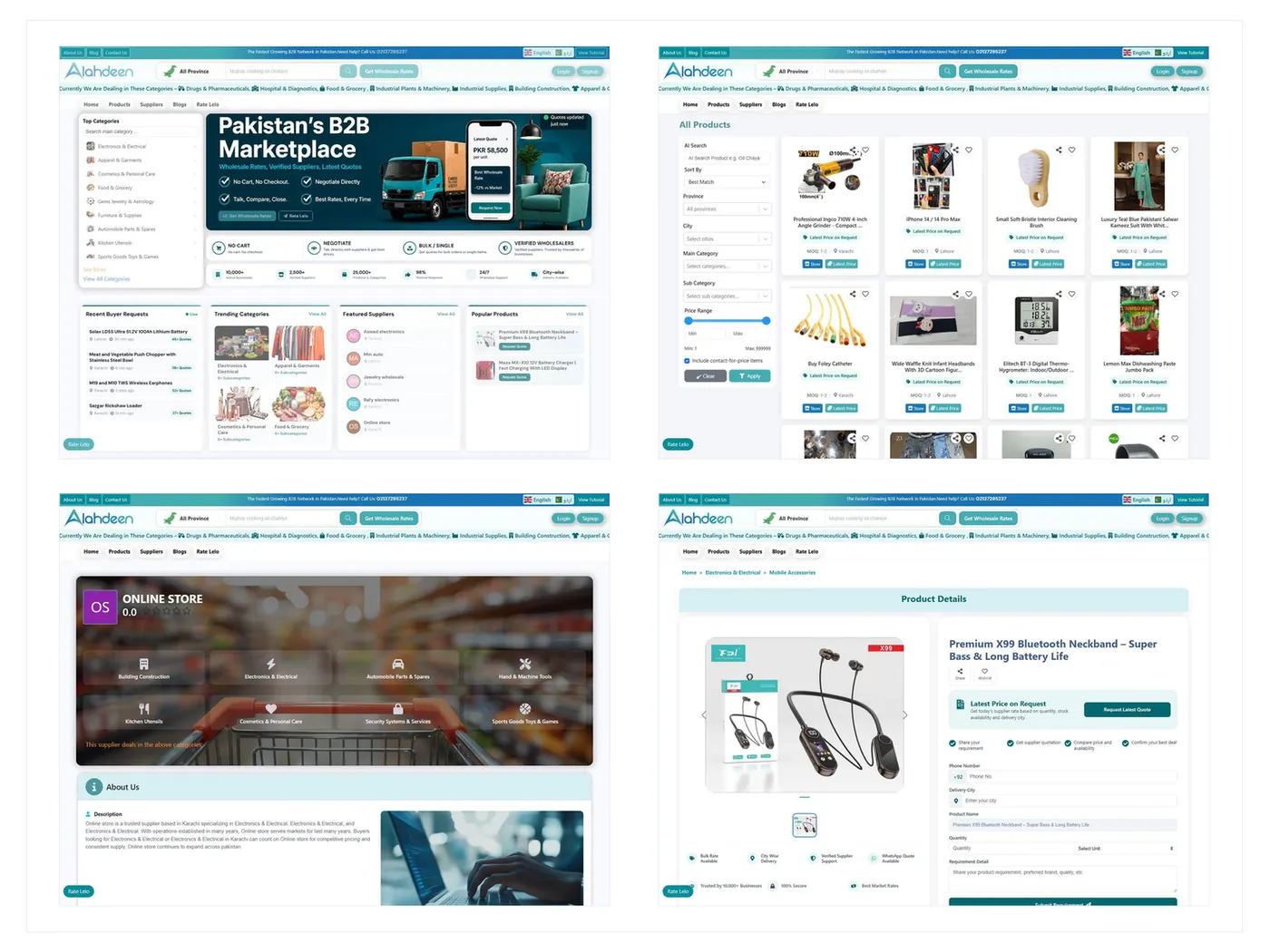
B2B Marketplace
A multi-vendor B2B marketplace connecting wholesale buyers, suppliers, catalogs, storefronts, leads, quotations, and seller operations.
View detail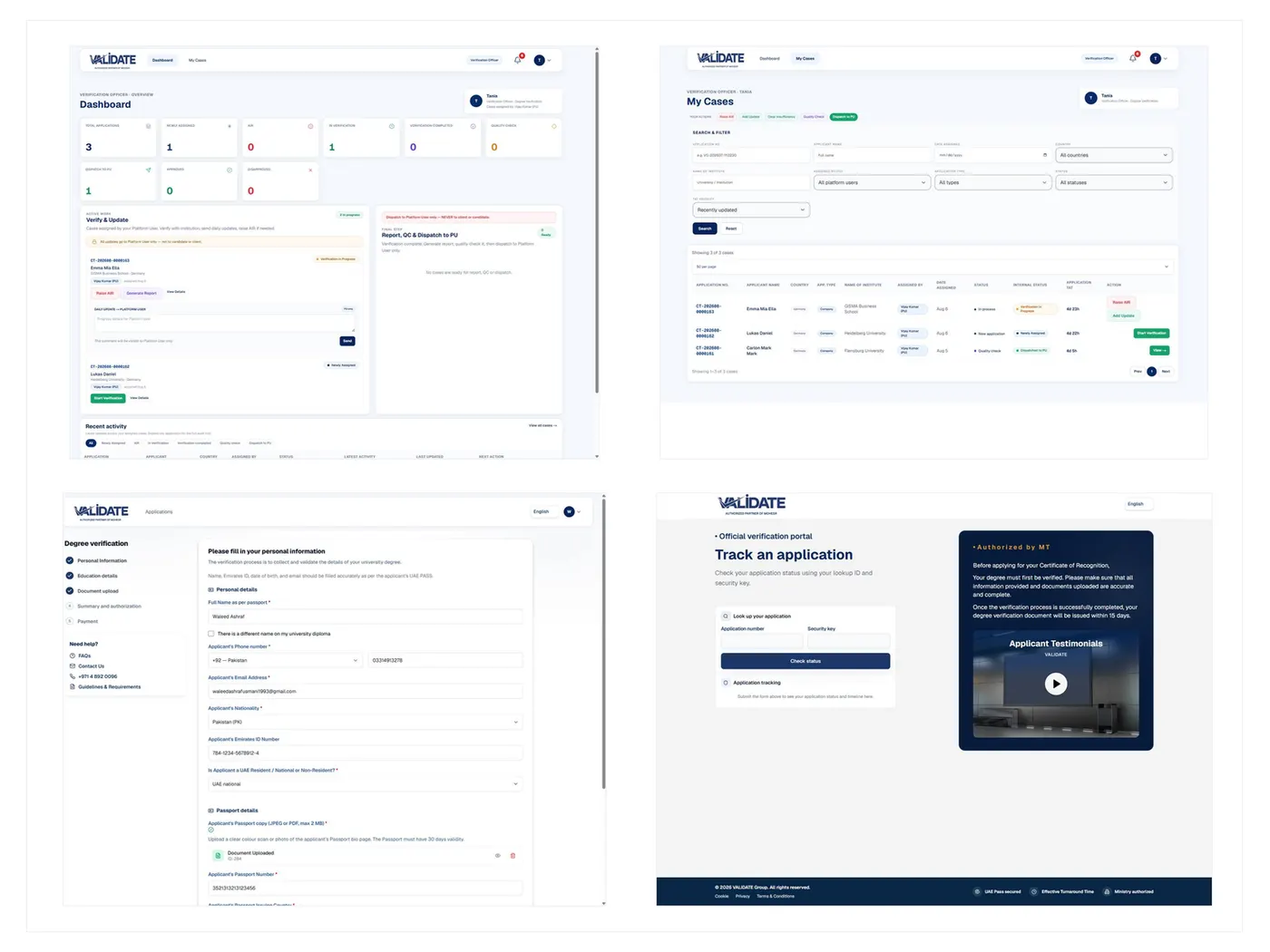
Verification / RegTech
A five-portal verification operations system for applicants, company administrators, processing teams, verification officers, and super administrators.
View detail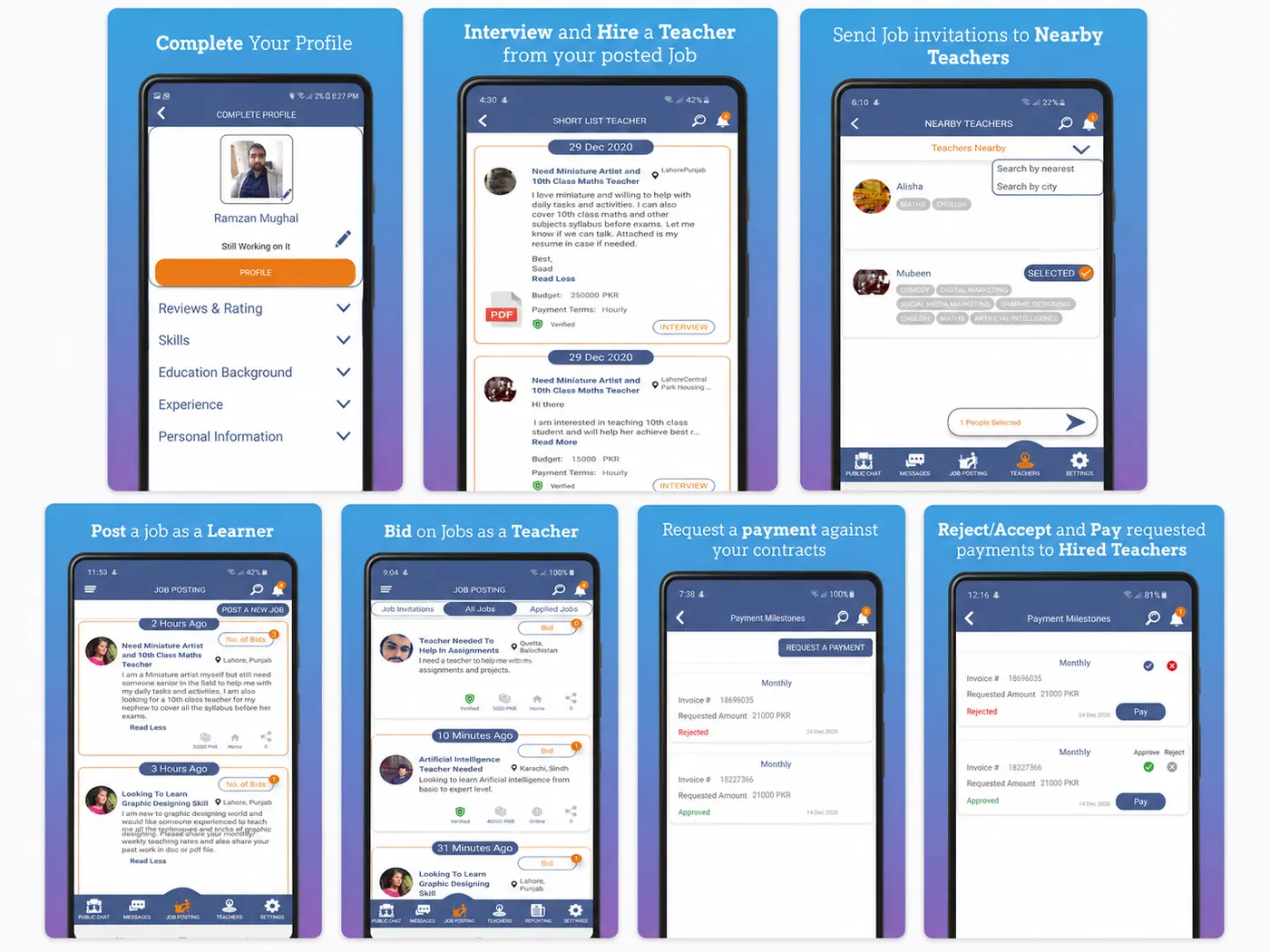
EdTech Marketplace
A two-sided learning marketplace mobile app connecting students and teachers through jobs, bids, profiles, chat, interviews, engagement decisions, and payment requests.
View detailExplore more
This case study turns Legacy B2B SaaS platform into a fuller buyer journey: the software problem, the product pressure, the architecture support behind execution, and the next step for US and UK businesses facing similar growth pressure.
Digital Product Agency model: Strategy, Design, Technology, and Growth.
Product strategy, discovery, MVP roadmap, and go-to-market before expensive builds.
Product design, design systems, web/mobile UX, and conversion-focused interfaces.
Product engineering for SaaS, AI, web, and mobile — architecture as support, not the brand.
Clarify ICP, MVP boundaries, and roadmap so design and engineering build the right product.
View detailValidate B2B workflows and buyer friction before you hard-code assumptions.
View detailDesign SaaS experiences that make complex workflows clear, trustworthy, and usable.
View detailGrow demand with SEO and growth work tied to offers you can actually deliver.
View detailSaaS, AI, web, mobile, backend APIs, and DevOps — inside the same Digital Product Agency model as Strategy, Design, and Growth.
Frontend, backend, APIs, databases, subscriptions, dashboards, integrations, and deployment.
View detailAI-enabled products, automation, LLM workflows, orchestration, and production readiness.
View detailPortals, dashboards, admin tools, workflow platforms, and custom web applications.
View detailiOS and Android delivery connected to shared APIs, auth, notifications, and product data.
View detailSecure APIs, roles, permissions, integrations, queues, webhooks, payments, and data foundations.
View detailCI/CD, cloud ops, monitoring, and production support connected to product delivery.
View detailMove into proof, insights, or a conversation when the challenge is clear enough to discuss.
Compare Strategy, Design, Technology, and Growth paths.
View detailFlagship projects across SaaS, marketplaces, web, and mobile.
View detailHow strategy, design, and engineering connect to outcomes.
View detailPractical guidance for scaling product and engineering teams.
View detailNamed proof around delivery and partnership quality.
View detailBring the product challenge into a direct conversation.
View detailBring the current delivery, reliability, or architecture pressure into a direct conversation. We will help you clarify the next practical sequence.