
Growth
Structuring B2B Service Websites Around Buyer Intent
B2B service websites work best when buyers can quickly understand the service, the fit, the trust signals, and the quote path.
Waleed Ashraf
Zyvor
5 min read
Growth
Structuring B2B Service Websites Around…
A B2B service website should make the next enquiry feel obvious and…
B2B service websites work best when buyers can quickly understand the service, the fit, the trust signals, and the quote path.
Facility-service buyers compare services, industries, credibility, and quote access before they are ready to talk. The article below is the decision frame behind that pattern: what to notice, what to protect, and how to keep the product coherent as it grows.
1. Start with the right problem
Facility-service buyers compare services, industries, credibility, and quote access before they are ready to talk. Teams often feel this first as delivery friction, unclear ownership, or a product that looks finished but is hard to operate.
The useful move is not to start with screens, stack choices, or a rewrite. It is to name the operating problem with enough precision that design, engineering, and commercial teams can share it.
2. Hold one principle, not five products
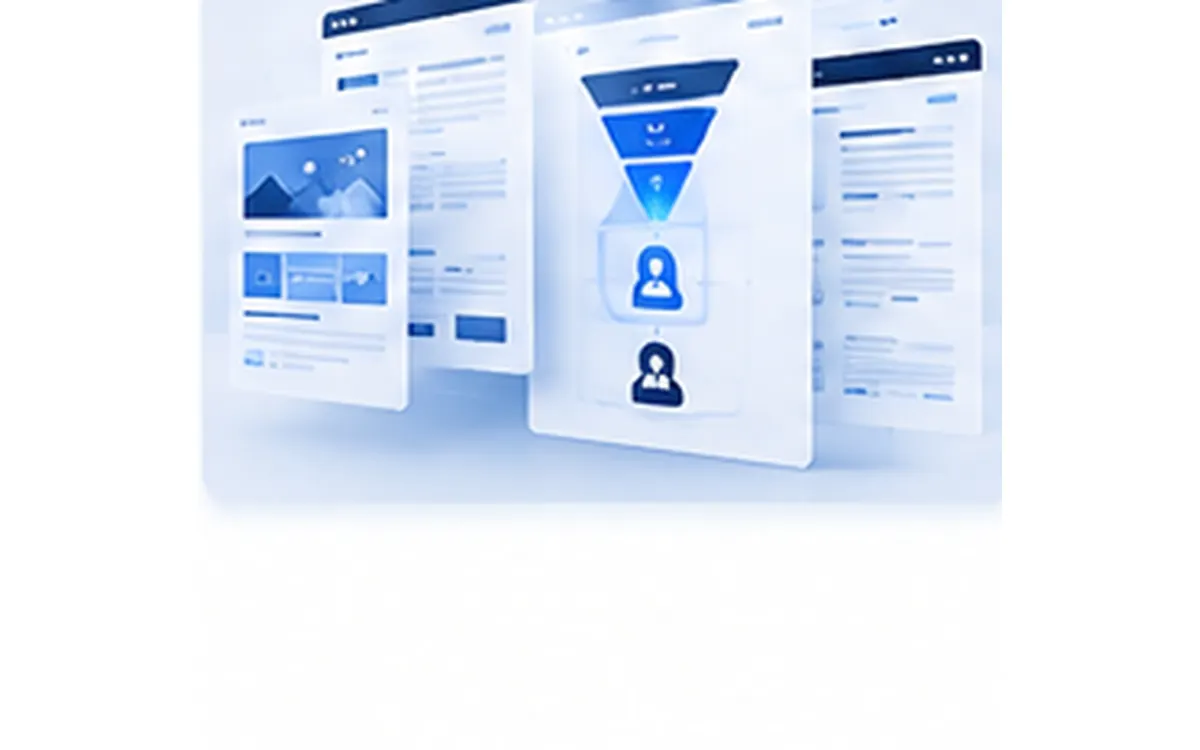
Structure the website around buyer intent rather than around a generic company brochure.
A B2B service website should make the next enquiry feel obvious and justified.
3. Why it matters in practice
If service discovery is unclear, qualified buyers leave before reaching the enquiry path.
When that principle is missing, every new role, channel, or feature creates another local solution. The product still ships. The operating model quietly fragments.
4. How the decision works
The sequence is more important than the tooling. A team can apply the same idea in a marketplace, a multi-portal platform, or a service website if the underlying model stays shared.
- Create clear service hierarchy.
- Add industry-specific paths where buyer context matters.
- Place trust and testimonials near evaluation content.
- Keep quote actions visible and responsive.
5. Where this usually fails
Most failures are not dramatic. They look like duplicated workflows, status names that drift, or a mobile experience that cannot carry the same decision the desktop product makes.
- The homepage carries all service information.
- Industries are hidden or too generic.
- Testimonials are isolated from buyer decisions.
- Quote paths appear only on the contact page.
6. A practical approach
The recommended path is deliberately small. It is meant to create leverage without turning the article into a delivery plan.
- Build reusable service and industry page patterns.
- Use responsive layouts that make service scanning easy.
- Connect credibility sections to enquiry intent.
- Use technical SEO to support discoverability without stuffing pages.
From this insight
Key takeaways
The points worth carrying into your next product or architecture conversation.
Make the next action obvious
Build reusable service and industry page patterns.
Earn trust quickly
Use responsive layouts that make service scanning easy.
Design for mobile decisions
Connect credibility sections to enquiry intent.
Measure what converts
Use technical SEO to support discoverability without stuffing pages.



Next step
Turn your ideas into impact.
If this way of thinking is already familiar, we can help you turn it into a product people can use.