
Production-ready SaaS or AI product
Primary outcome
Our Services Best Startup SaaS Development Company
Zyvor helps US and UK founders build B2B SaaS products with product scoping, frontend, backend, APIs, databases, subscriptions, integrations, dashboards, cloud deployment, and architecture support.
Product surface
Best Startup SaaS Development Company
Useful for founders comparing the best SaaS development companies for product quality and technical judgment.
Strong fit for B2B SaaS, AI SaaS, workflow platforms, dashboards, and subscription products.
Designed for startups that need MVP speed with enough engineering discipline for future growth.
Service overview
What it is
SaaS development is risky when billing, user roles, tenant boundaries, integrations, dashboards, and backend workflows are treated as afterthoughts. Zyvor helps founders build SaaS products with development-led delivery backed by architecture support so launch speed does not create avoidable rebuild pressure.
Who it is for
When founders choose Zyvor for SaaS development
How Zyvor approaches it
Every engagement starts with product scope, user workflows, and the build path. Code ships with the backend, API, infrastructure, and deployment decisions it needs to run properly. Architecture support stays close to implementation so the product can keep improving after launch.
Primary outcome
Engineering outcome
Delivery outcome
The core delivery outcomes this engagement is structured around — before the deeper build and stack detail below.
Part of the hands-on delivery scope for this service engagement.
Part of the hands-on delivery scope for this service engagement.
Part of the hands-on delivery scope for this service engagement.
Part of the hands-on delivery scope for this service engagement.
A second layer of scope so buyers can see the product surfaces, AI paths, mobile needs, and infrastructure work this engagement can cover.
Full-stack SaaS platform builds
Included when this engagement ships product work.
Included when this engagement ships product work.
Included when this engagement ships product work.
AI and intelligent automation
Included when this engagement ships product work.
Included when this engagement ships product work.
Included when this engagement ships product work.
Cross-platform mobile development
Included when this engagement ships product work.
Included when this engagement ships product work.
Included when this engagement ships product work.
Infrastructure and DevOps
Included when this engagement ships product work.
Included when this engagement ships product work.
Included when this engagement ships product work.
Best-fit SaaS development partner. Built for US and UK founders, product leaders, and teams that need a Digital Product Agency partner — not vague outsourcing.
A founder needs a B2B SaaS MVP or first production version built.
The product needs user roles, subscriptions, dashboards, analytics, integrations, or admin tools.
A startup is comparing SaaS development agencies and wants backend, API, deployment, and technical ownership.
The business wants the platform to support future customers without an early rebuild.
Common challenges
A founder needs a B2B SaaS MVP or first production version built.
The product needs user roles, subscriptions, dashboards, analytics, integrations, or admin tools.
A startup is comparing SaaS development agencies and wants backend, API, deployment, and technical ownership.
The business wants the platform to support future customers without an early rebuild.
How Zyvor helps
SaaS product scoping, development planning, and roadmap sequencing
Frontend, backend, API, database, authentication, billing, and dashboard development
Integration, analytics, admin workflow, and deployment implementation
Documentation and maintainable handoff for the next product stage
01
Clarify the users, jobs-to-be-done, product surfaces, data objects, and workflows that need to be built or improved before implementation starts.
02
Build the core product across UI, backend services, API contracts, database behavior, integrations, authentication, permissions, and deployment needs.
03
Prepare the product for real usage with documentation, deployment support, observability, performance checks, and clear next-iteration priorities.
Tools and platforms commonly used when this service ships real product work — chosen around the product stage, not a fixed checklist.
Next.js when the product stage and delivery path need it.
Node.js when the product stage and delivery path need it.
Express.js when the product stage and delivery path need it.
TypeScript when the product stage and delivery path need it.
PostgreSQL when the product stage and delivery path need it.
Supabase when the product stage and delivery path need it.
AWS when the product stage and delivery path need it.
Docker when the product stage and delivery path need it.
Redis when the product stage and delivery path need it.
OpenAI when the product stage and delivery path need it.
React Native when the product stage and delivery path need it.
Stripe when the product stage and delivery path need it.
Continue into the next useful service path for this buyer journey.
View detailContinue into the next useful service path for this buyer journey.
View detailContinue into the next useful service path for this buyer journey.
View detailContinue into the next useful service path for this buyer journey.
View detailRelevant delivery proof for this service — real products, not generic consulting claims.
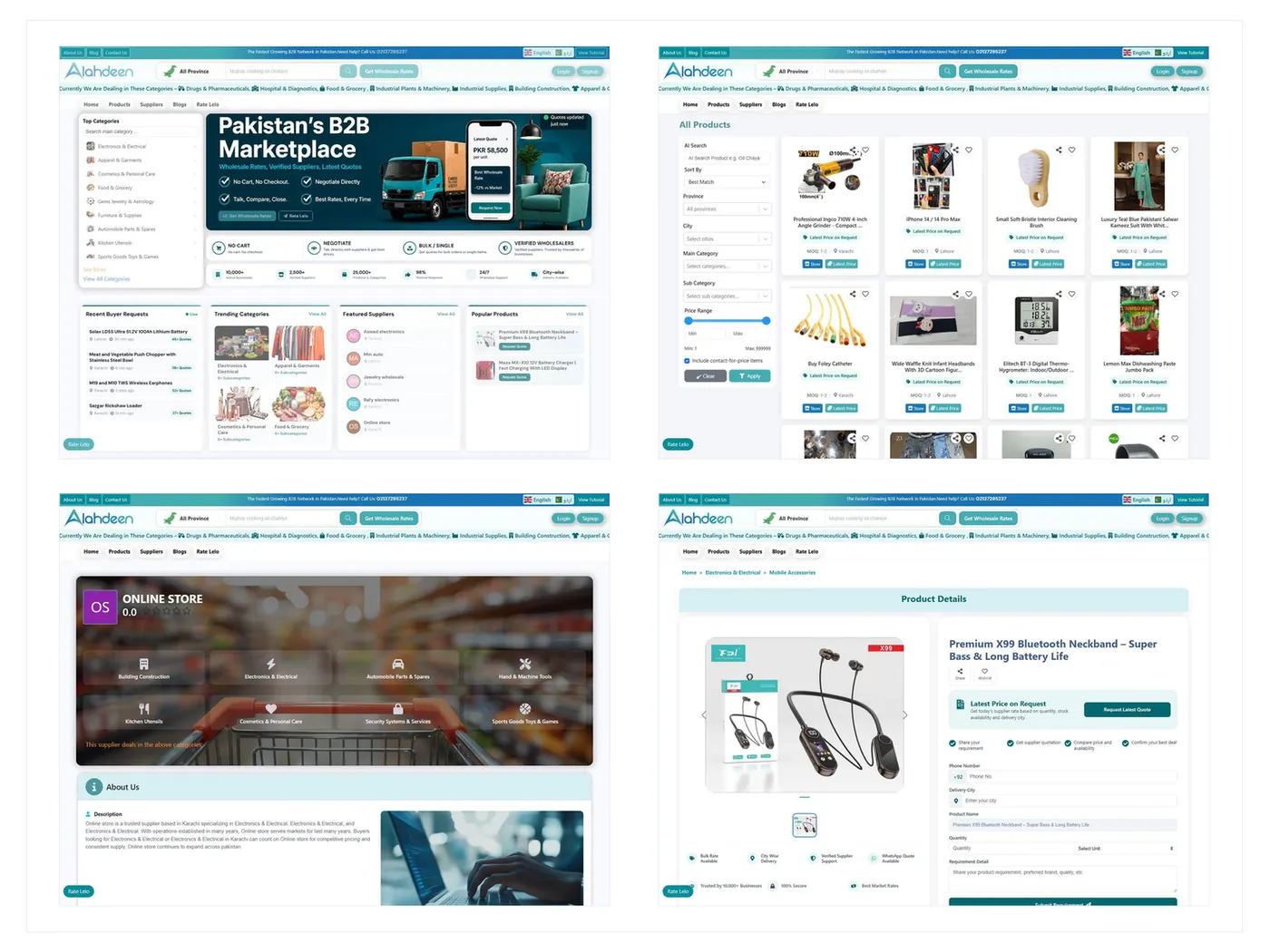
B2B Marketplace
A multi-vendor B2B marketplace connecting wholesale buyers, suppliers, catalogs, storefronts, leads, quotations, and seller operations.
View detail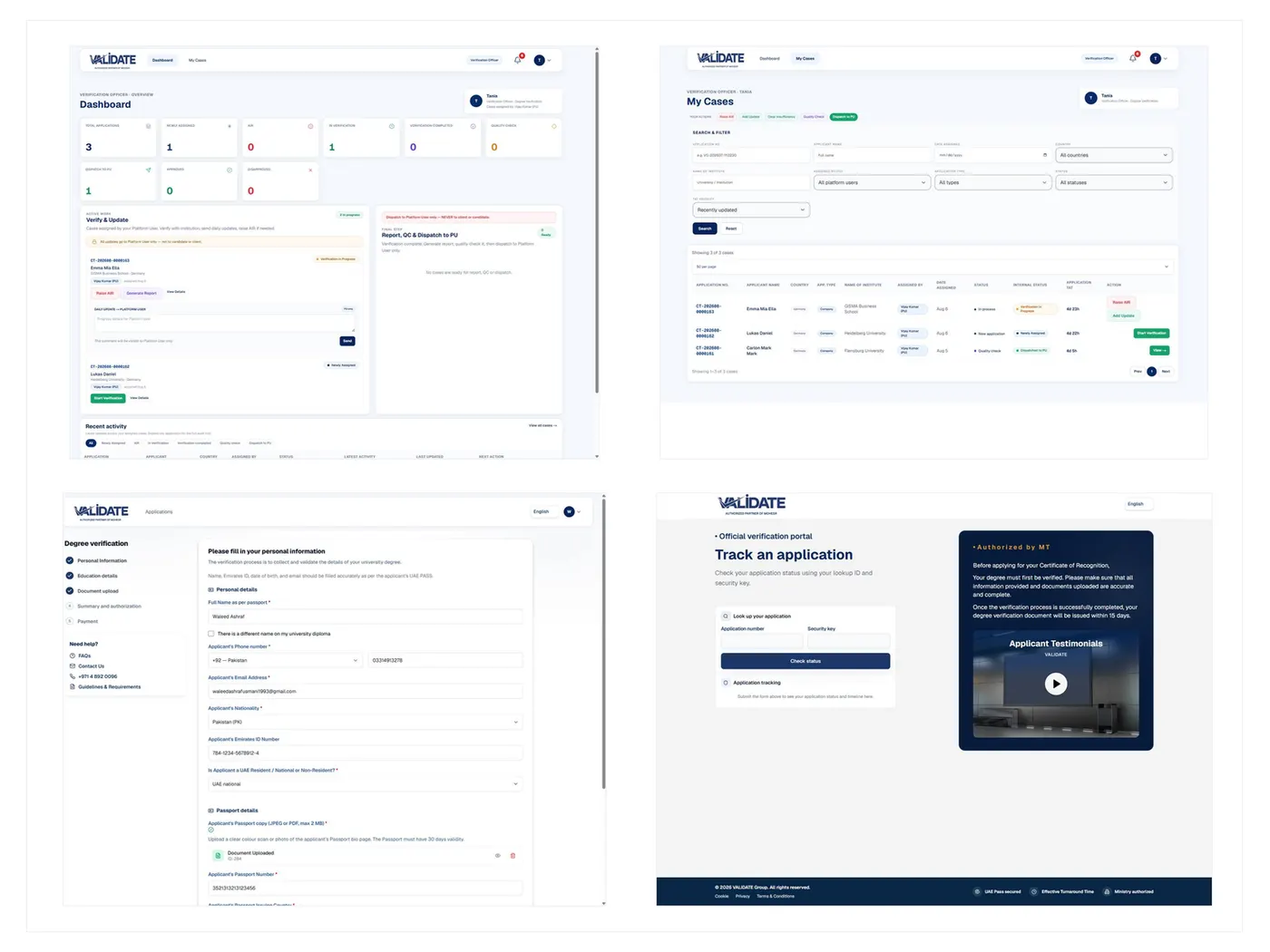
Verification / RegTech
A five-portal verification operations system for applicants, company administrators, processing teams, verification officers, and super administrators.
View detail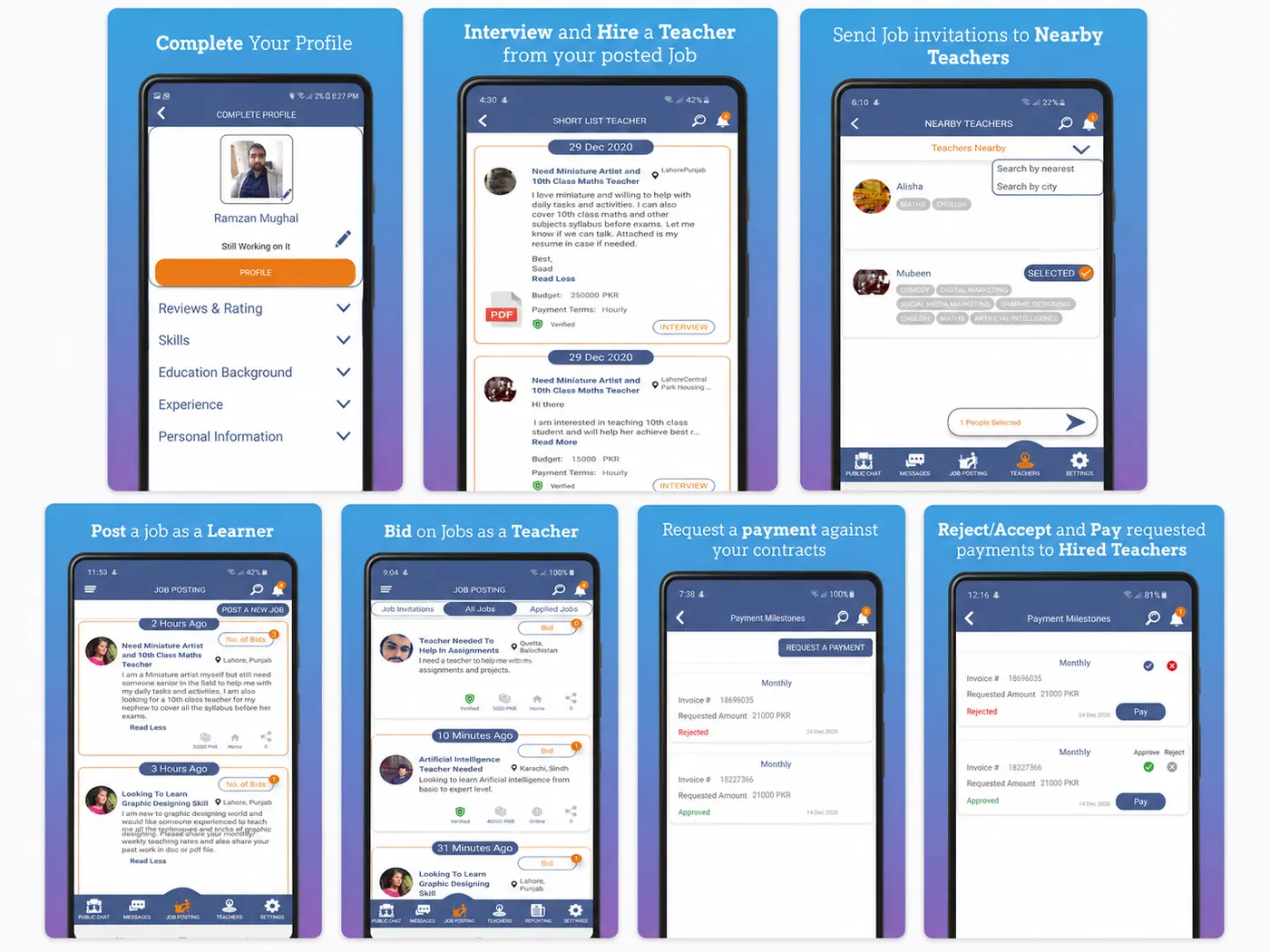
EdTech Marketplace
A two-sided learning marketplace mobile app connecting students and teachers through jobs, bids, profiles, chat, interviews, engagement decisions, and payment requests.
View detailFast delivery, project management, and app development quality
Zyvor has been an excellent development partner. They deliver quickly, manage projects well, and the quality of work has been consistently strong.
Ellina Vasilevsky
Operations Director, Limay Media
Clear communication, strong process, and on-target delivery
They kept us in the loop from design through delivery. Processes were clear, and the final product was exactly what we needed.
Josh
CTO, SoftZee
Explore more
Buyers comparing best startup saas development company can move into related services, Selected Work, insights, and contact without leaving the Digital Product Agency journey.
Digital Product Agency model: Strategy, Design, Technology, and Growth.
Product strategy, discovery, MVP roadmap, and go-to-market before expensive builds.
Product design, design systems, web/mobile UX, and conversion-focused interfaces.
Product engineering for SaaS, AI, web, and mobile — architecture as support, not the brand.
Clarify ICP, MVP boundaries, and roadmap so design and engineering build the right product.
View detailValidate B2B workflows and buyer friction before you hard-code assumptions.
View detailDesign SaaS experiences that make complex workflows clear, trustworthy, and usable.
View detailGrow demand with SEO and growth work tied to offers you can actually deliver.
View detailSaaS, AI, web, mobile, backend APIs, and DevOps — inside the same Digital Product Agency model as Strategy, Design, and Growth.
Frontend, backend, APIs, databases, subscriptions, dashboards, integrations, and deployment.
View detailAI-enabled products, automation, LLM workflows, orchestration, and production readiness.
View detailPortals, dashboards, admin tools, workflow platforms, and custom web applications.
View detailiOS and Android delivery connected to shared APIs, auth, notifications, and product data.
View detailSecure APIs, roles, permissions, integrations, queues, webhooks, payments, and data foundations.
View detailCI/CD, cloud ops, monitoring, and production support connected to product delivery.
View detailMove into proof, insights, or a conversation when the challenge is clear enough to discuss.
Compare Strategy, Design, Technology, and Growth paths.
View detailFlagship projects across SaaS, marketplaces, web, and mobile.
View detailHow strategy, design, and engineering connect to outcomes.
View detailPractical guidance for scaling product and engineering teams.
View detailNamed proof around delivery and partnership quality.
View detailBring the product challenge into a direct conversation.
View detailBest for US and UK high-growth B2B SaaS and AI businesses that need software architecture clarity, technical leadership support, and a better next step before complexity compounds business risk.