
Development
Backend API development best practices for scaling B2B SaaS
A practical guide to backend API development decisions that help B2B SaaS products scale across integrations, customer workflows, permissions, reliability, and product delivery.
Waleed Ashraf
Zyvor
5 min read
Development
Backend API development best practices f…
Backend APIs, integrations, permissions, and reliable product scale
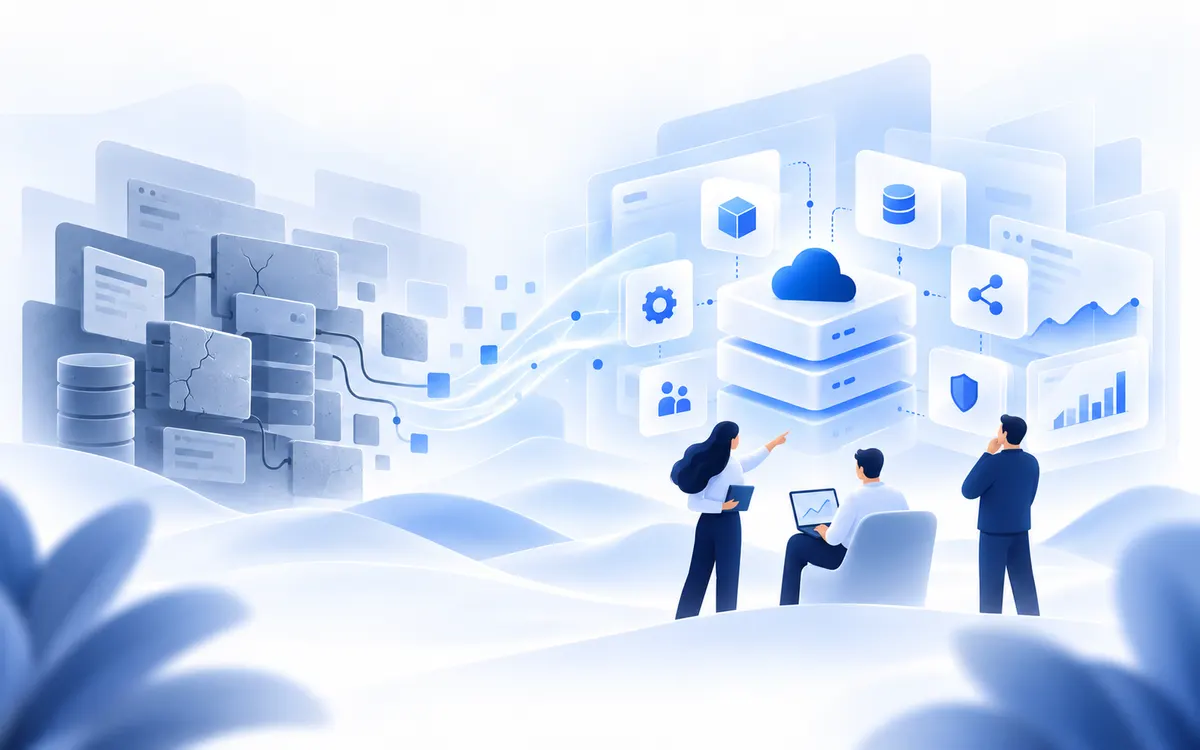
Backend API development becomes a business issue when integrations, customer workflows, and product delivery depend on contracts that are difficult to explain or change safely. In scaling B2B SaaS, APIs are not only implementation details. They are the connective tissue between product reliability, customer trust, and engineering velocity.
A practical guide to backend API development decisions that help B2B SaaS products scale across integrations, customer workflows, permissions, reliability, and product delivery.
1. What this usually looks like
The pattern is usually visible before it is named. These are the signals leadership teams tend to notice first.
- API contracts are changing faster than customers, frontend teams, or integrations can safely absorb.
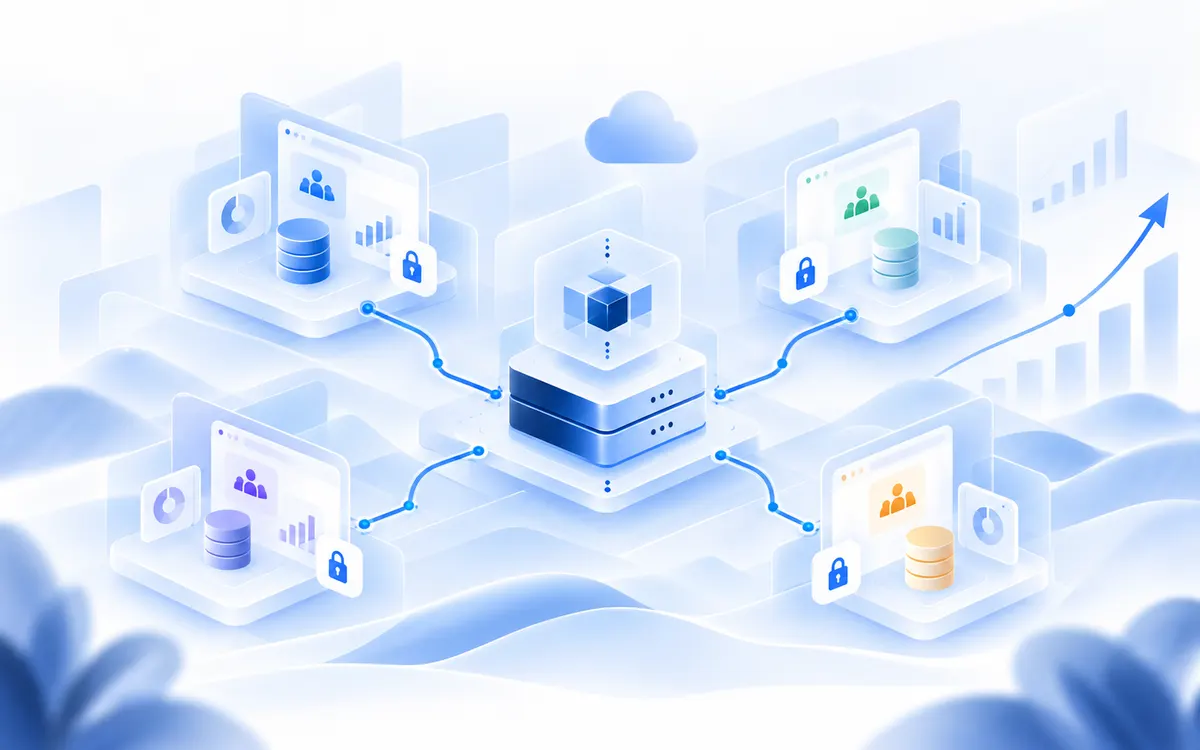
- Permission behavior and tenant boundaries are not clearly expressed in the API model.
- Integration failures are hard to diagnose because observability stops at the wrong layer.
- Versioning, ownership, and deprecation decisions are handled reactively instead of through a clear architecture model.
Backend APIs, integrations, permissions, and reliable product scale
2. API architecture should make product behavior easier to reason about.
Strong APIs clarify what the product can do, who owns each behavior, how permissions are enforced, and what happens when integrations fail. That clarity matters more as customer workflows and third-party dependencies increase.
3. The best API contracts protect both customers and engineering velocity.
A good contract gives customers, frontend teams, and integration partners predictable behavior while still giving engineering room to evolve the platform. That requires disciplined boundaries, thoughtful versioning, and a clear model for backward compatibility.
4. Observability and ownership belong in the API architecture conversation.
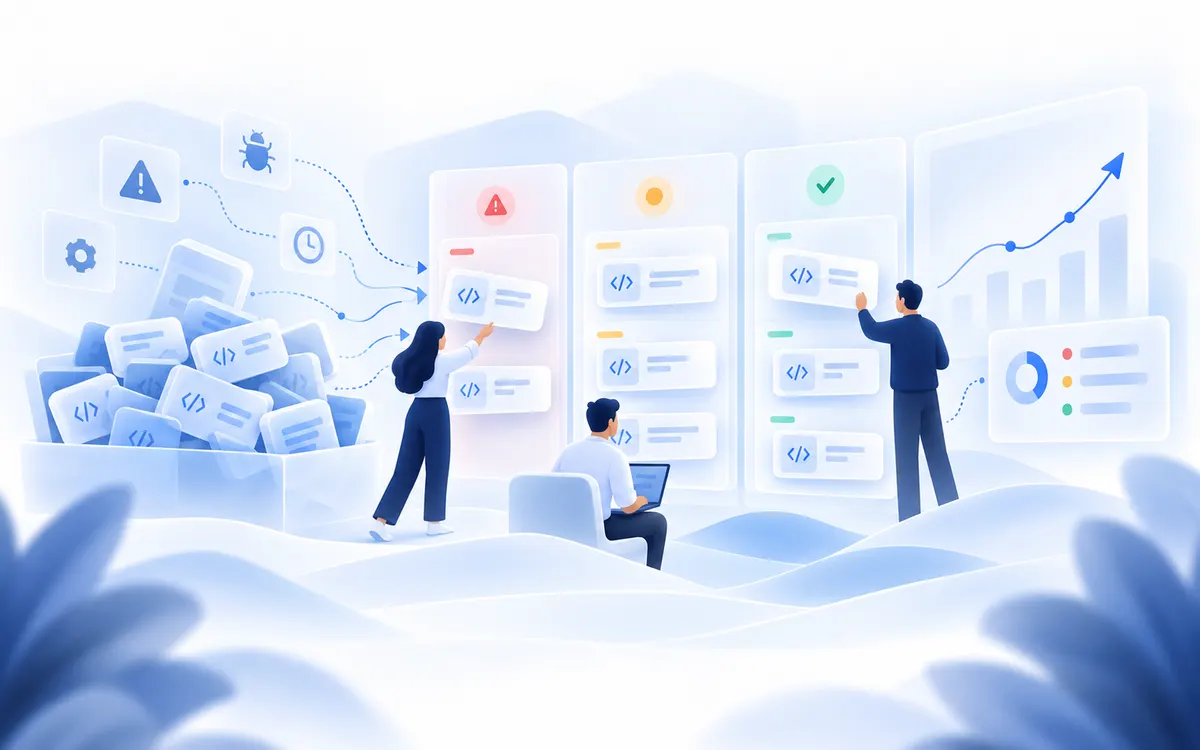
When API failures happen, teams need to know whether the issue sits in authentication, permissions, validation, dependency behavior, customer usage, or system load. Without that visibility, support and engineering spend too much time reconstructing context.
5. A practical way to use this
The value of the article is not a generic checklist. It is a clearer sequence: notice the signal, name the constraint, and choose the smallest move that restores decision quality.
- API contracts are changing faster than customers, frontend teams, or integrations can safely absorb.
- Permission behavior and tenant boundaries are not clearly expressed in the API model.
- Integration failures are hard to diagnose because observability stops at the wrong layer.
- Versioning, ownership, and deprecation decisions are handled reactively instead of through a clear architecture model.
Questions that usually come next
When should a SaaS team revisit API architecture?
Revisit API architecture when integrations become business-critical, customer workflows depend on API reliability, permission behavior becomes harder to explain, or frontend and backend teams slow each other down.
Is API architecture mainly a backend concern?
No. API architecture affects frontend delivery, customer experience, integrations, support diagnostics, security, tenant boundaries, and product strategy.
From this insight
Key takeaways
The points worth carrying into your next product or architecture conversation.
Share one operating model
API contracts are changing faster than customers, frontend teams, or integrations can safely absorb.
Protect the boundaries
Permission behavior and tenant boundaries are not clearly expressed in the API model.
Sequence the hard parts
Integration failures are hard to diagnose because observability stops at the wrong layer.
Build for change
Versioning, ownership, and deprecation decisions are handled reactively instead of through a clear architecture model.
Explore related services
Product Strategy
Define the right product, opportunity, and direction before execution begins.
Product Design
Create clear, intuitive experiences that people can understand and enjoy.
Product Development
Build reliable digital products across web, mobile, commerce, and AI.
Product Growth
Improve performance, visibility, and product value after launch.
Next step
Turn your ideas into impact.
If this way of thinking is already familiar, we can help you turn it into a product people can use.