
Product pressure
What the business needed to make true before the next stage of growth.
Case Study
Mohesr Degree Platform
Verification / RegTech
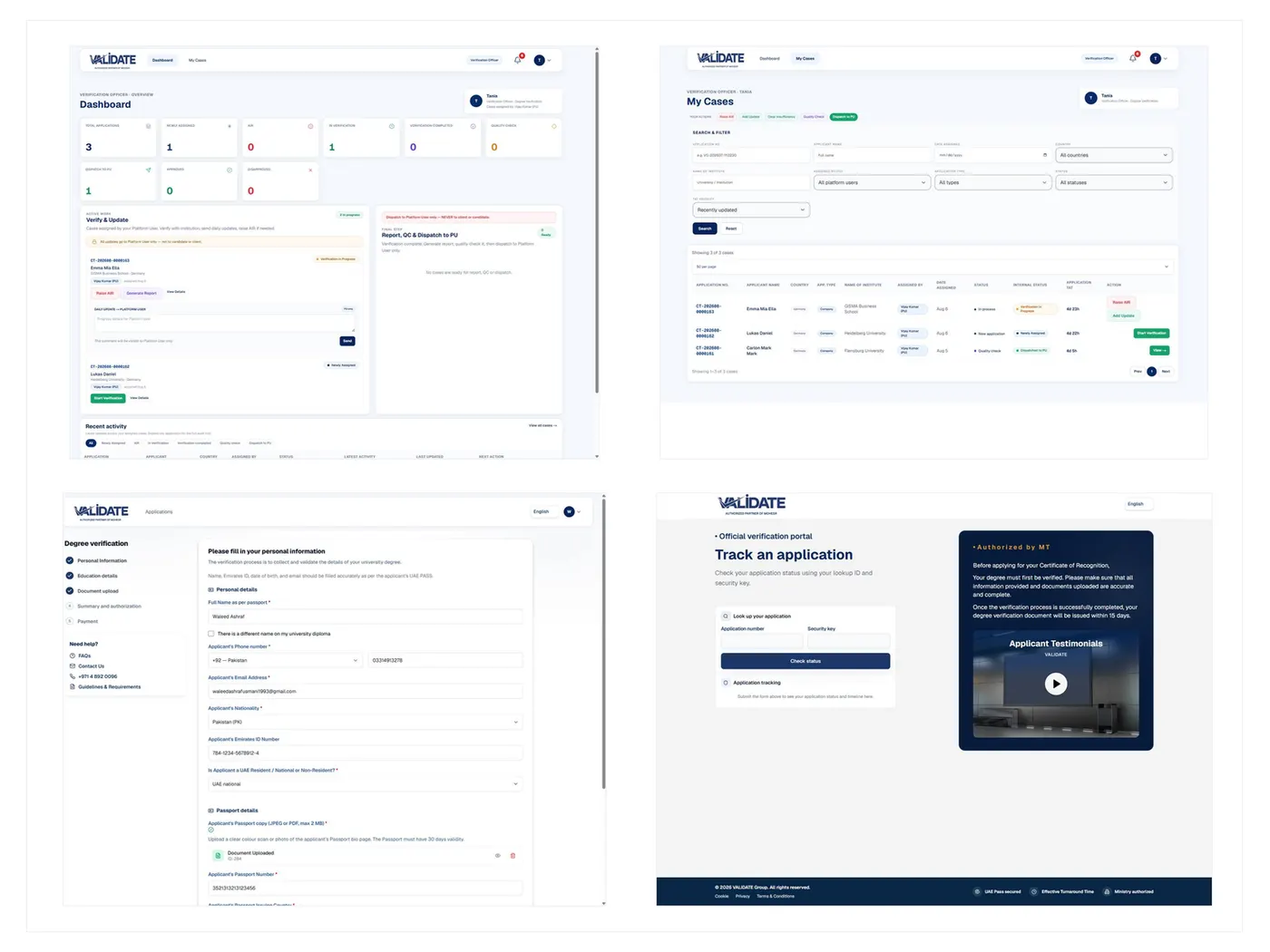
Zyvor partnered on a five-portal degree verification platform so applicants, company administrators, processing teams, verification officers and super administrators could work from one shared lifecycle — with clear ownership, documents, billing and next actions.
Production application - authentication required.
Stronger operational visibility.
Industry
Verification / RegTech
Services
Product Strategy, Architecture, Design, Full-stack Development
Engagement
Product engineering with strong architecture
Timeline
February 2026 – Present
Product type
Multi-portal SaaS operations platform
Case study structure
Overview
Zyvor partnered on a five-portal degree verification platform so applicants, company administrators, processing teams, verification officers and super administrators could work from one shared lifecycle — with clear ownership, documents, billing and next actions.
What the business needed to make true before the next stage of growth.
How strategy, design, and engineering stayed connected through the engagement.
The decisions that kept ownership, state, and next actions clear for the team.
Why the work was sequenced for trust, scale, and a reusable foundation.
Challenge
Degree verification spans documents, status transitions, billing events and external dependencies. When each role works from a different view of the same application, ownership, traceability and next actions start to drift.
Signal
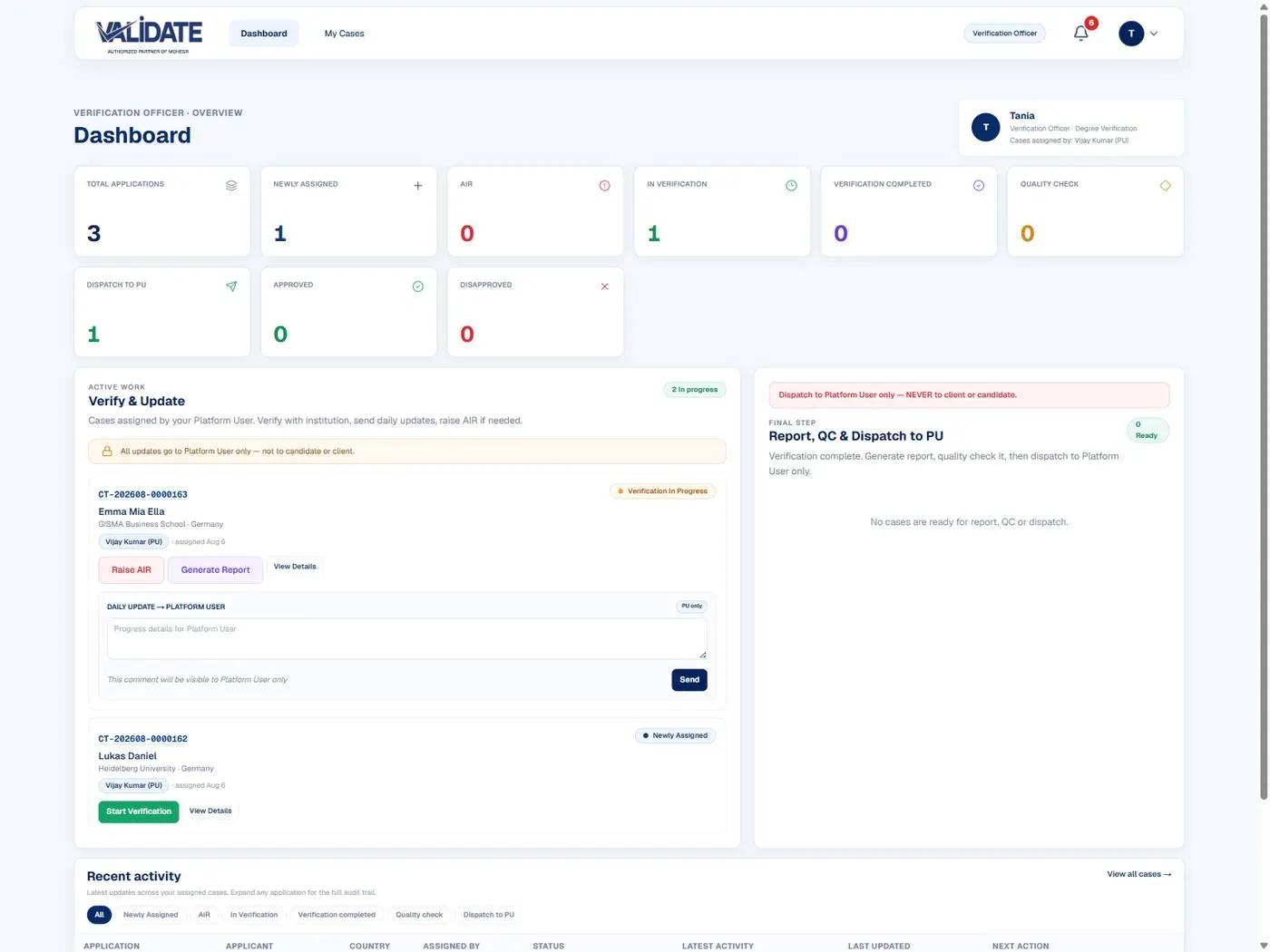
Verification Officer dashboard
Context
Five roles. One application history.
A role-specific dashboard showing verification activity, current responsibility, and next-action visibility.
The operating model needed controlled handoffs and auditability before the platform could scale across more applications, partners and integrations.
Applicants, company admins, processing teams, officers and super admins each needed a different interface, but they still depended on the same application history.
Assignment, insufficiency, quality check, dispatch and billing could not rely on informal coordination or disconnected queues.
Treating each portal as a separate product would have created five systems that disagreed on status, documents and ownership.
What was breaking
The friction points that made the old approach expensive to keep.
Unclear ownership across verification stages
Status and documents drifting between roles
Limited visibility into the next required action
Handoffs that were hard to audit
No shared model for billing, tracking and oversight
Strategy
A shared lifecycle would let each role see the smallest useful view of the same case, while leadership kept one consistent history for documents, billing, quality and tracking.
Unify the verification lifecycle before designing individual portals
Give each role only the actions it is responsible for
Make status, assignment and next actions explicit
Create a foundation for UAE PASS, MOHESR and future integrations
Solution
Zyvor started with the shared verification domain, then designed role-specific experiences, governed state transitions and the services needed to keep the operating model consistent.
Discover
Mapped applicants, company admins, processing teams, officers and super admins against one verification lifecycle.
Define
Set permission boundaries, state rules, assignment logic and the handoffs that could not be left informal.
Design
Created role-specific portals and dashboards around the same application history, not five separate products.
Build
Implemented workflow, document handling, billing visibility, notifications, queues and production-readiness support.
Launch / Scale
Validated UAT and release paths so the operating model could expand with integrations and additional workflow stages.
Strategy — Key Decisions
These are the choices that shaped the product — not a gallery of what shipped, but why the work was sequenced this way.
Five portals only stay coherent if they operate on the same lifecycle, status model and application history.
Each role needed a different interface, but duplicating business logic would have made status, documents and ownership diverge.
Verification work needs explicit permission boundaries so the wrong role cannot skip, rewrite or lose a required step.
Processing units and officers needed operational queues, not a generic dashboard, to know what they own next.
Billing, tracking, UAE PASS and MOHESR readiness had to sit outside role-specific UI so the platform could grow without rewriting portals.
Design
Each portal should reduce cognitive load: show current responsibility, relevant documents, and the next valid action without exposing the whole operating model.
Clarity over completeness. A verification officer does not need the super-admin view; they need a trustworthy case surface with explicit status.
Role-specific dashboards instead of one overloaded admin screen
Application tracking that preserves a single history across portals
Status language that stays consistent from intake to dispatch
Priority and TAT visibility where operational timing matters
Trust, clarity and accessibility
Secure document handling is part of the product, not an afterthought
Audit history has to explain how a case moved, not only where it is now
Authentication and integration boundaries stay outside the role UI layer
Verification Officer dashboard
A role-specific dashboard showing verification activity, current responsibility, and next-action visibility.
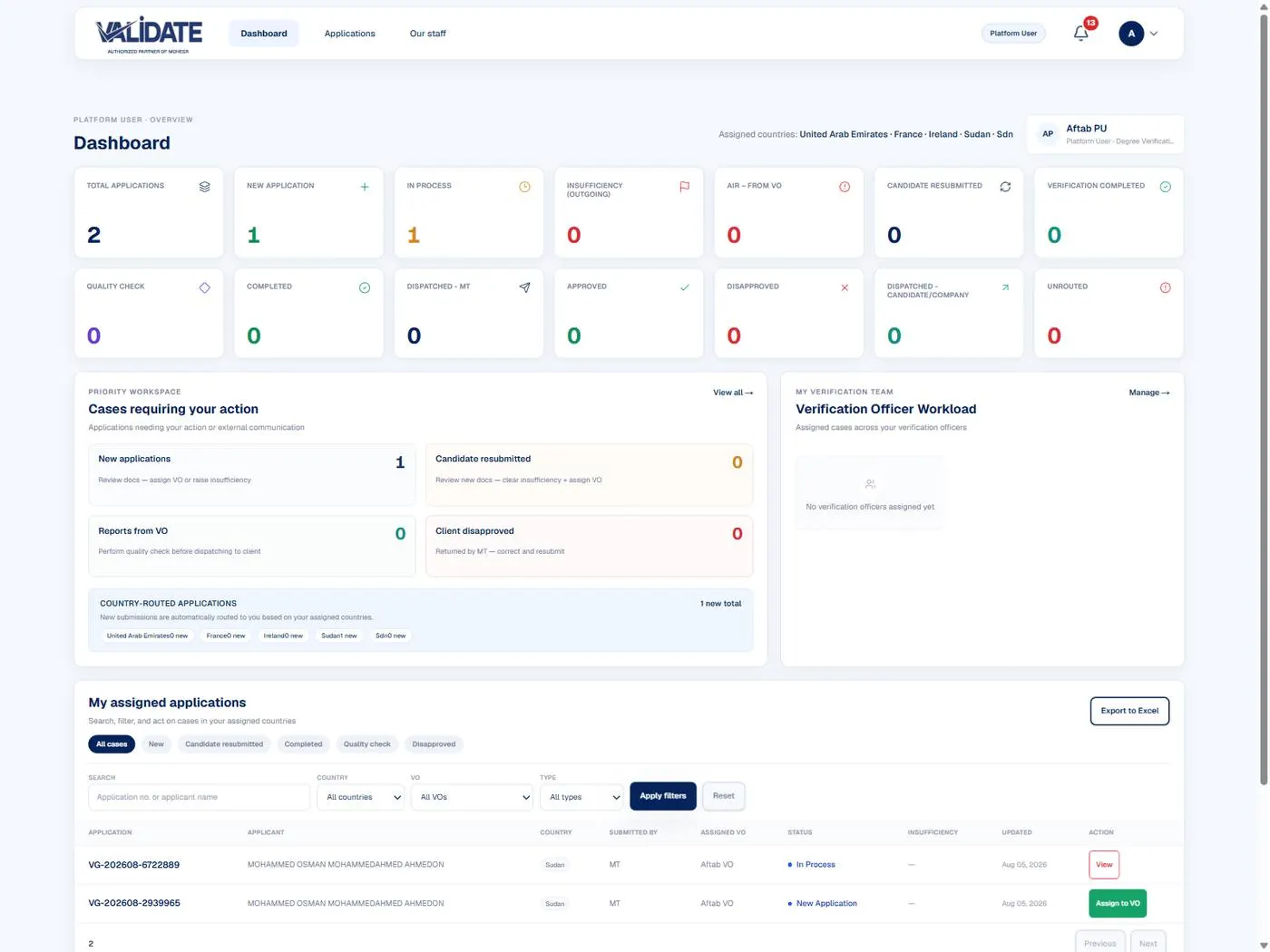
Super Admin dashboard
Administrative oversight for the wider verification operating model and connected platform activity.
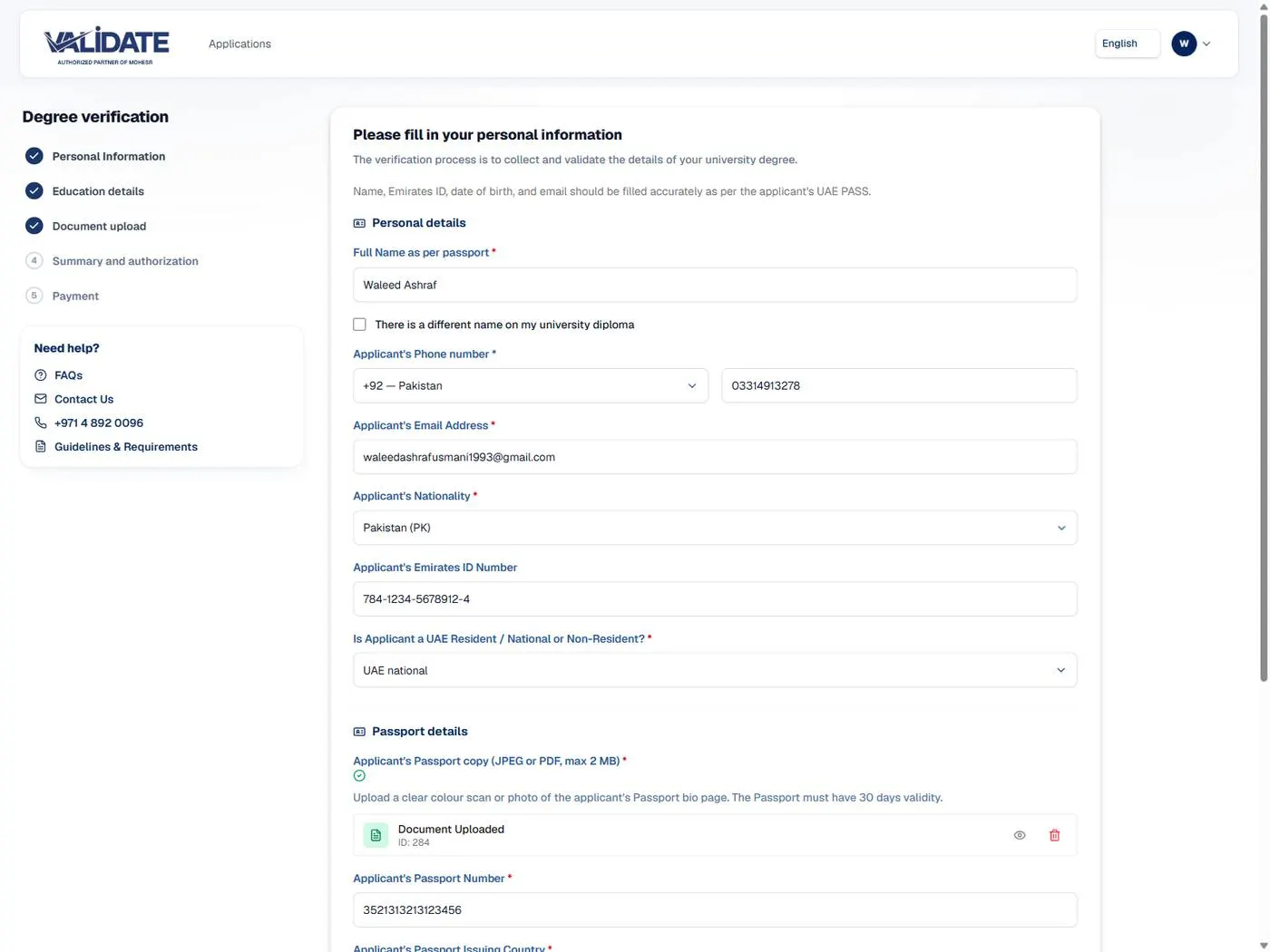
Application workflow
A live workflow screen showing application status movement and verification lifecycle detail.
Development
The build combined Next.js and Laravel with PostgreSQL, REST APIs, queues and secure storage so the shared lifecycle could support five portals, background processing and production release validation.
Next.js, Laravel, Node.js and PostgreSQL supporting portal experiences and shared services.
State modeling, assignment, insufficiency, quality check and dispatch as first-class product rules.
Document storage, RBAC, audit logging, email/OTP and authentication boundaries.
UAT, queue/background processing and production-readiness support for a live operations system.
Key Features
Intake, documents and tracking for the person being verified.
Organisation-level oversight of applications and billing visibility.
Operational queues for case movement and handoffs.
Case work with explicit status and next-action visibility.
Platform oversight across the wider operating model.
Payment-related visibility connected to verification progress.
Quality check and dispatch as governed stages, not informal review.
UAE PASS and MOHESR-ready boundaries outside role-specific UI.
Outcome
The platform created a controlled operating model with clearer ownership, stronger traceability and a scalable foundation for future integrations.
Each role sees the actions it is responsible for, with one consistent application history.
Status, documents, assignment and audit trails stay connected across the lifecycle.
Dashboards and tracking make current responsibility and next actions easier to explain.
The shared domain is ready for workflow expansion and external integrations.
Technology
The tools that supported delivery — chosen for the product shape, not as a generic stack list.
Key Takeaways
Multi-portal products stay cheaper and clearer when the lifecycle is modeled before the individual screens.
Role-specific UX should sit on one product model, not five copies of the business logic.
Operations products fail when people can see data but cannot tell what they are supposed to do next.
Traceability, documents and billing need to be part of the operating model, not an admin afterthought.
Related Case Studies
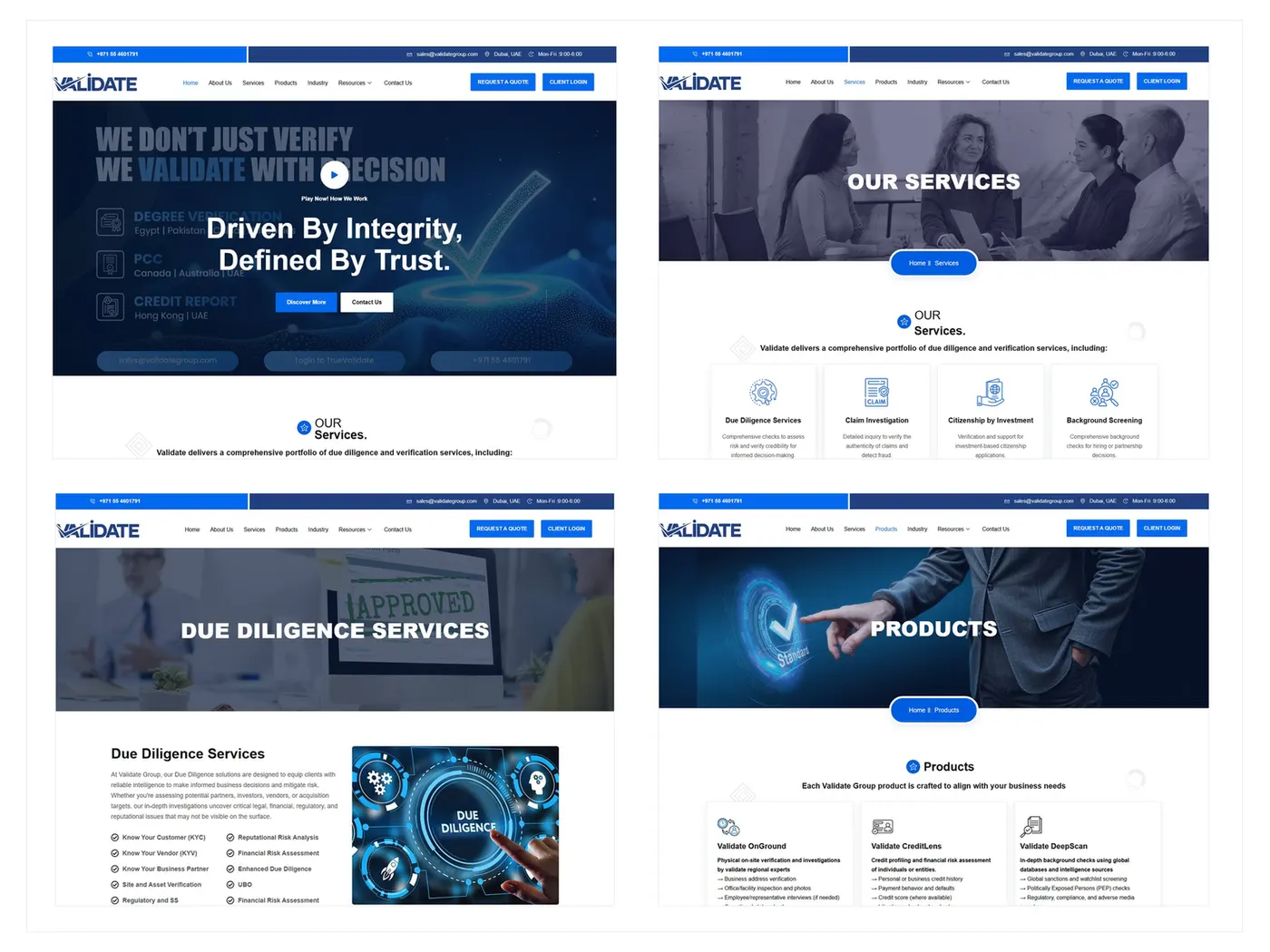
B2B Corporate Website
From insider language to a B2B journey buyers can follow.
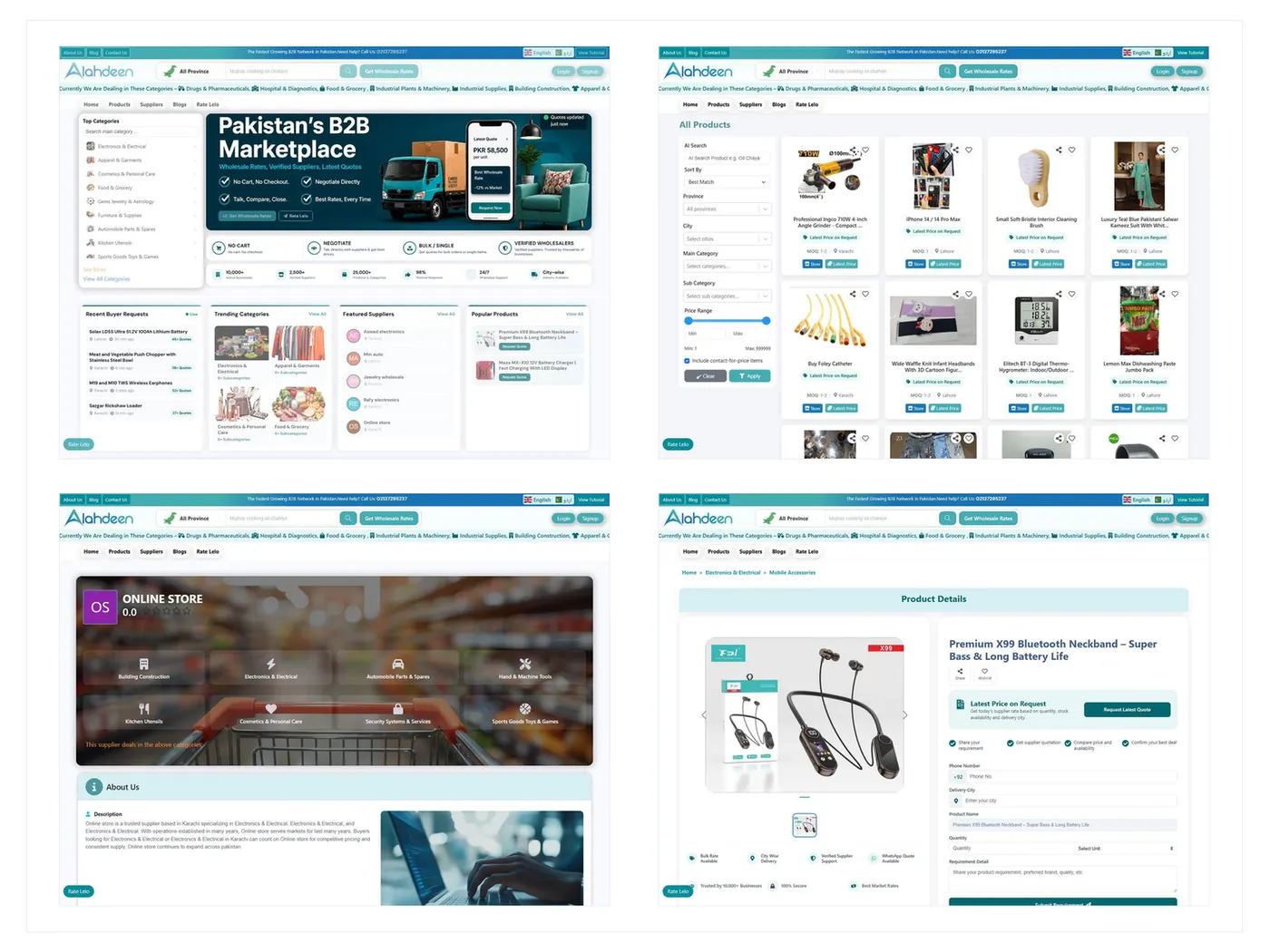
B2B Marketplace
From disconnected wholesale channels to a shared B2B marketplace.
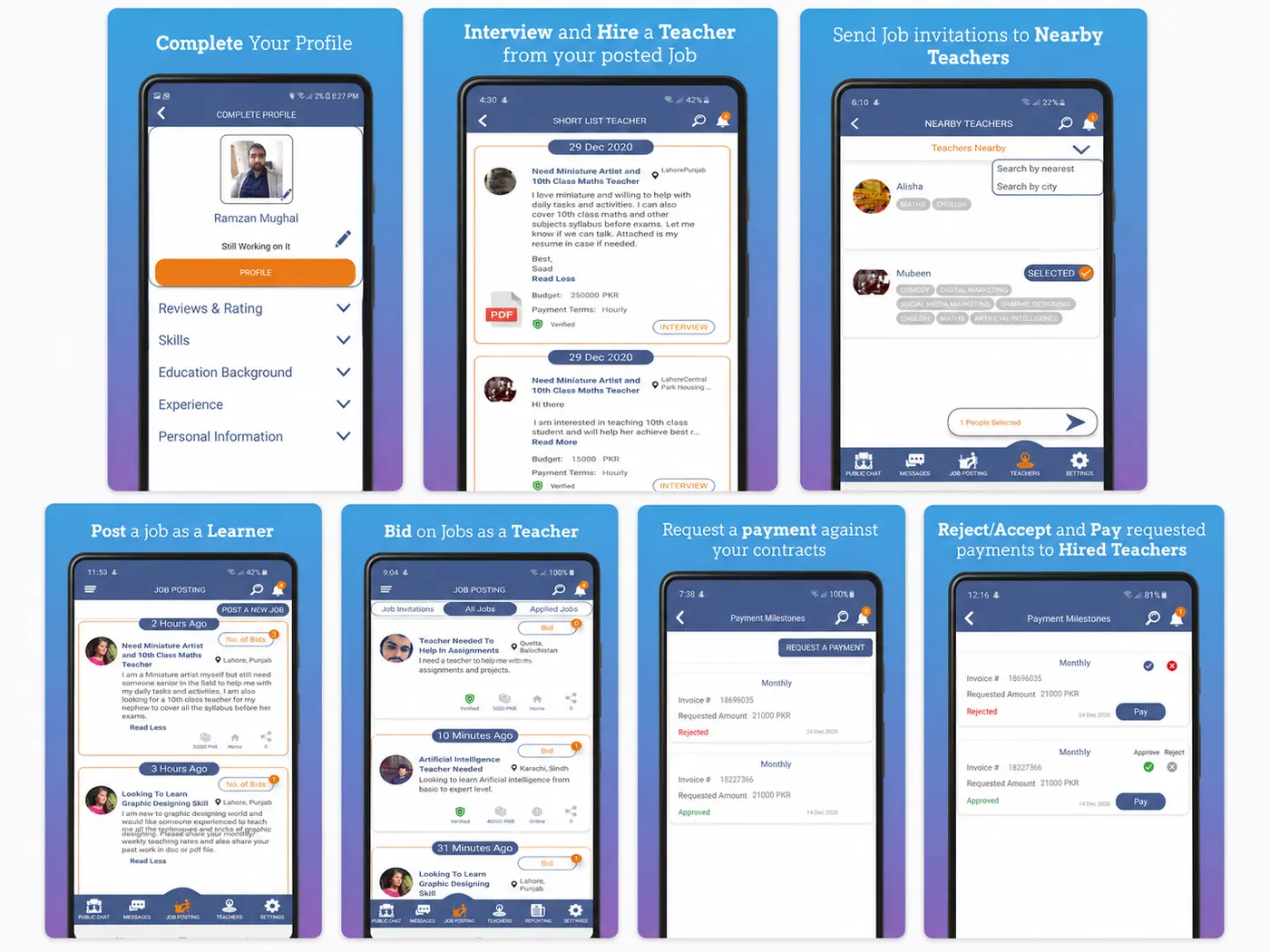
EdTech Marketplace
From informal matching to a two-sided learning marketplace.
Next step
If this story feels close to the pressure in your product, the useful next step is a conversation about the problem — not another gallery of screens.