
3.1x higher
Queue processing throughput
Case Studies Vertical marketplace platform
The platform had reached traction, but background processing and data growth were starting to pressure fulfillment and reporting.
Digital Product Agency
Vertical marketplace platform
Queue processing throughput
3.1x higher
Company context
Vertical marketplace platform
Focus
Zyvor mapped the software architecture bottlenecks, defined the sequenci…
Business pressure
The platform was moving from traction into a more operationally demandin…
Outcome
3.1x higher
Case overview
Situation
The business was approaching a more demanding stage of growth with a multi-region launch in view. The current architecture had enough traction to prove the model, but not enough clarity to scale confidently into a broader operational footprint.
Business context
The platform was moving from traction into a more operationally demanding phase where broader customer reach, heavier workloads, and larger internal coordination demands would increase pressure on both the software architecture and the leadership model around it.
Why the previous approach failed
The existing approach was too reactive. Teams could handle today’s work, but not confidently sequence the next architecture moves against future customer demand, operational complexity, and launch commitments. Without a clearer technical leadership lens, every decision risked becoming tactical.
Queue processing throughput
Infra cost per transaction
Launch readiness timeline
The engagement created a clearer scale-readiness roadmap, stronger technical decision-making, and a more del…
Challenges
Background processing and reporting paths were beginning to create scalability concerns.
The business needed a sequence for architecture changes instead of reacting to incidents under deadline pressure.
Leadership needed clearer technical tradeoffs before larger customers and broader operational demands arrived.
Approach
Mapped the software architecture bottlenecks most likely to affect launch readiness and fulfillment performance.
Created a business-aware sequencing plan tied to customer demand, roadmap pressure, and operational risk.
Clarified the technical leadership decisions that needed to be made before the platform expanded further.
Impact
The engagement created a clearer scale-readiness roadmap, stronger technical decision-making, and a more deliberate path into the next stage of business scalability.
Zyvor mapped the software architecture bottlenecks, defined the sequencing plan, and clarified the technical leadership decisions needed before launch readiness became a reliability problem.
Queue processing throughput
3.1x higher
Infra cost per transaction
31% lower
Launch readiness timeline
5 weeks faster
Who this is relevant for
Marketplace or platform teams preparing for broader geographic or customer expansion
Businesses that have traction but not yet enough architecture clarity for the next scale jump
Leadership teams that need clearer technical tradeoffs before major delivery commitments
These are the pressure signals that usually mean this kind of architecture and observability work should come before more product expansion.
Signal 1
When customer growth is about to expose scalability limits that are not yet urgent enough to trigger daily incidents
Signal 2
When founders and technical leaders need a roadmap for scale-readiness instead of another reactive stabilization cycle
Signal 3
When a business is preparing for larger customers, wider teams, or heavier operational complexity
Continue into the service path that matches this case pressure.
View detailContinue into the service path that matches this case pressure.
View detailContinue into the service path that matches this case pressure.
View detailContinue into the service path that matches this case pressure.
View detailNearby delivery proof for buyers comparing similar product and architecture pressure.
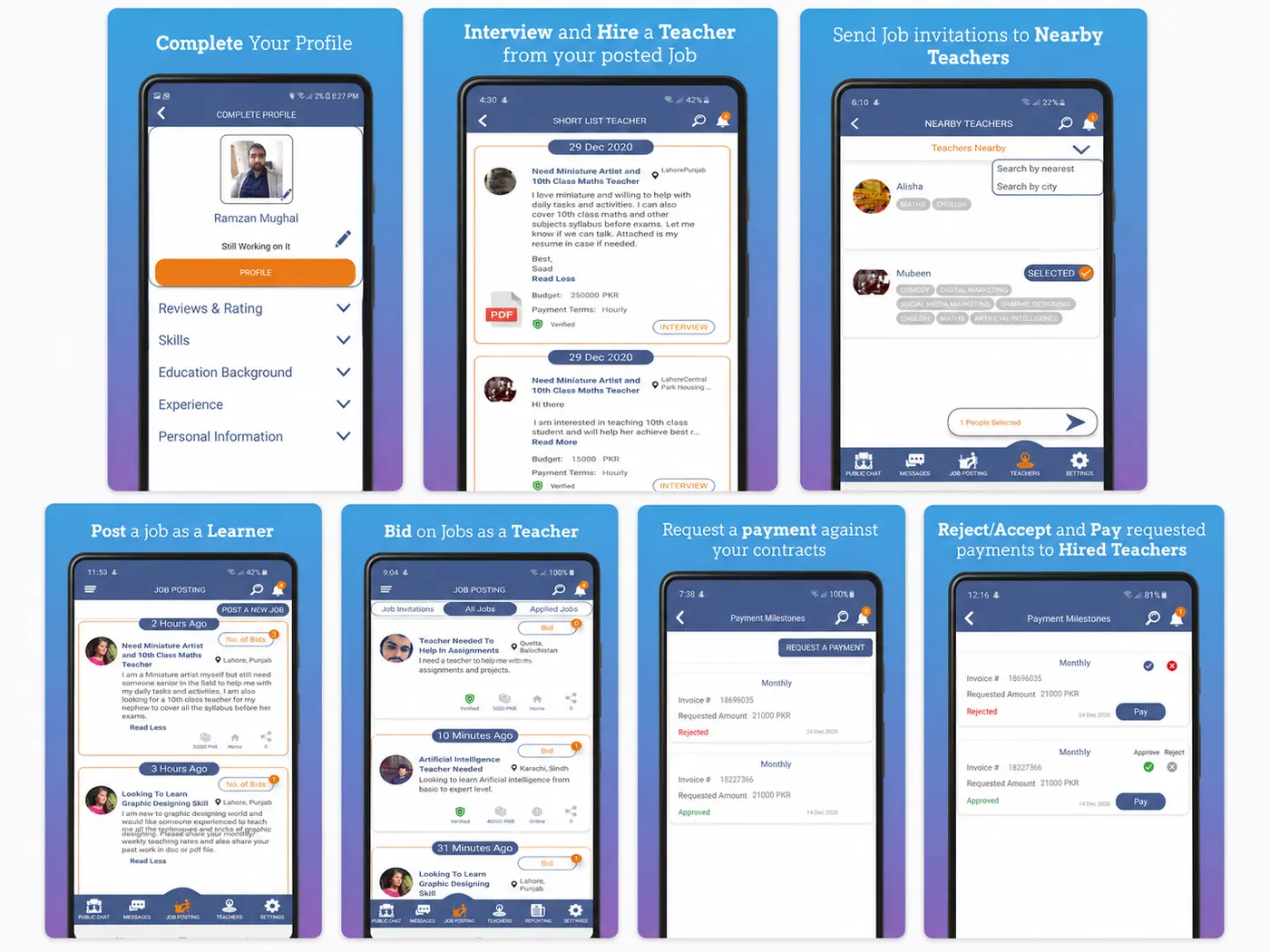
EdTech Marketplace
A two-sided learning marketplace mobile app connecting students and teachers through jobs, bids, profiles, chat, interviews, engagement decisions, and payment requests.
View detail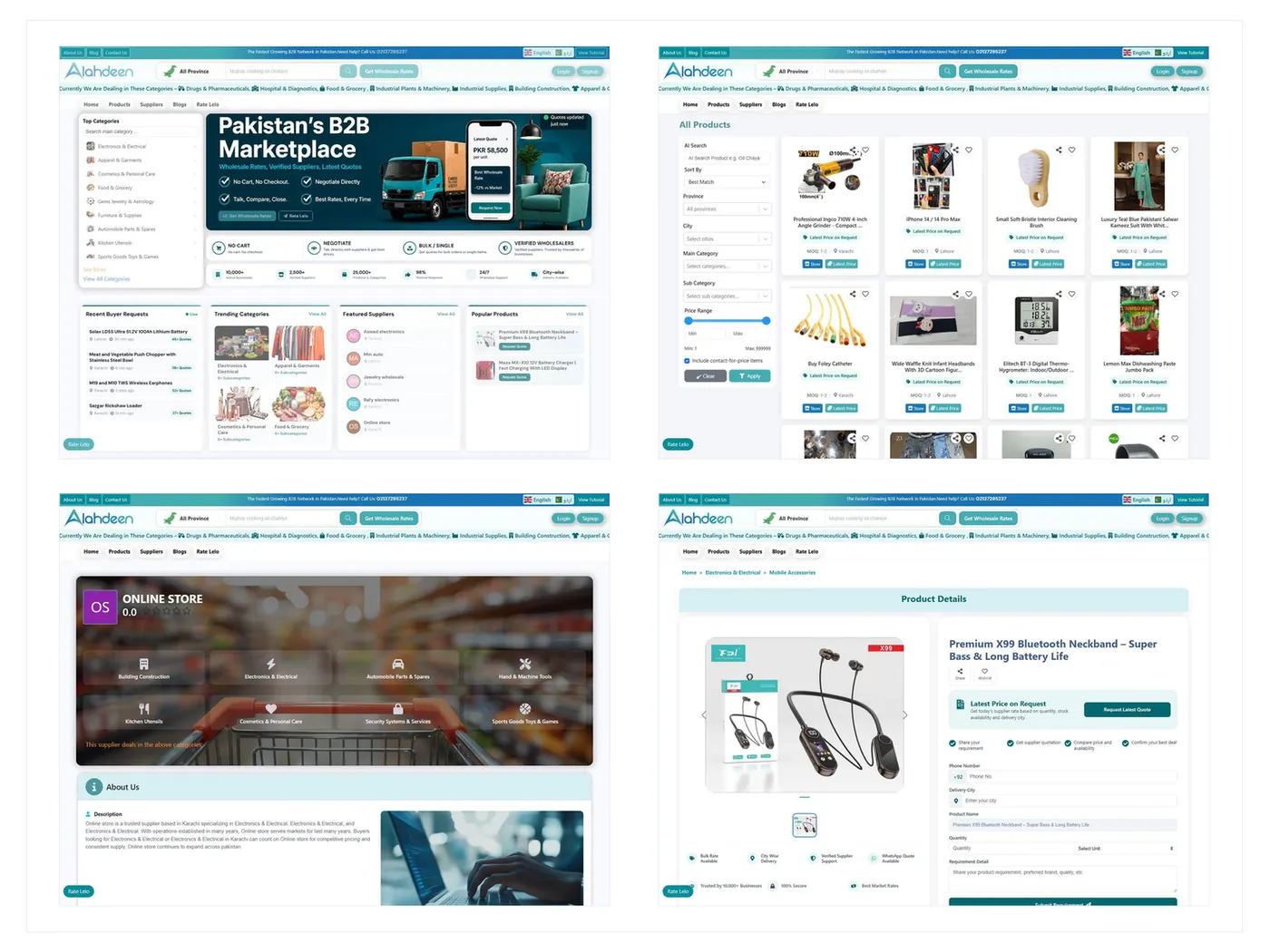
B2B Marketplace
A multi-vendor B2B marketplace connecting wholesale buyers, suppliers, catalogs, storefronts, leads, quotations, and seller operations.
View detail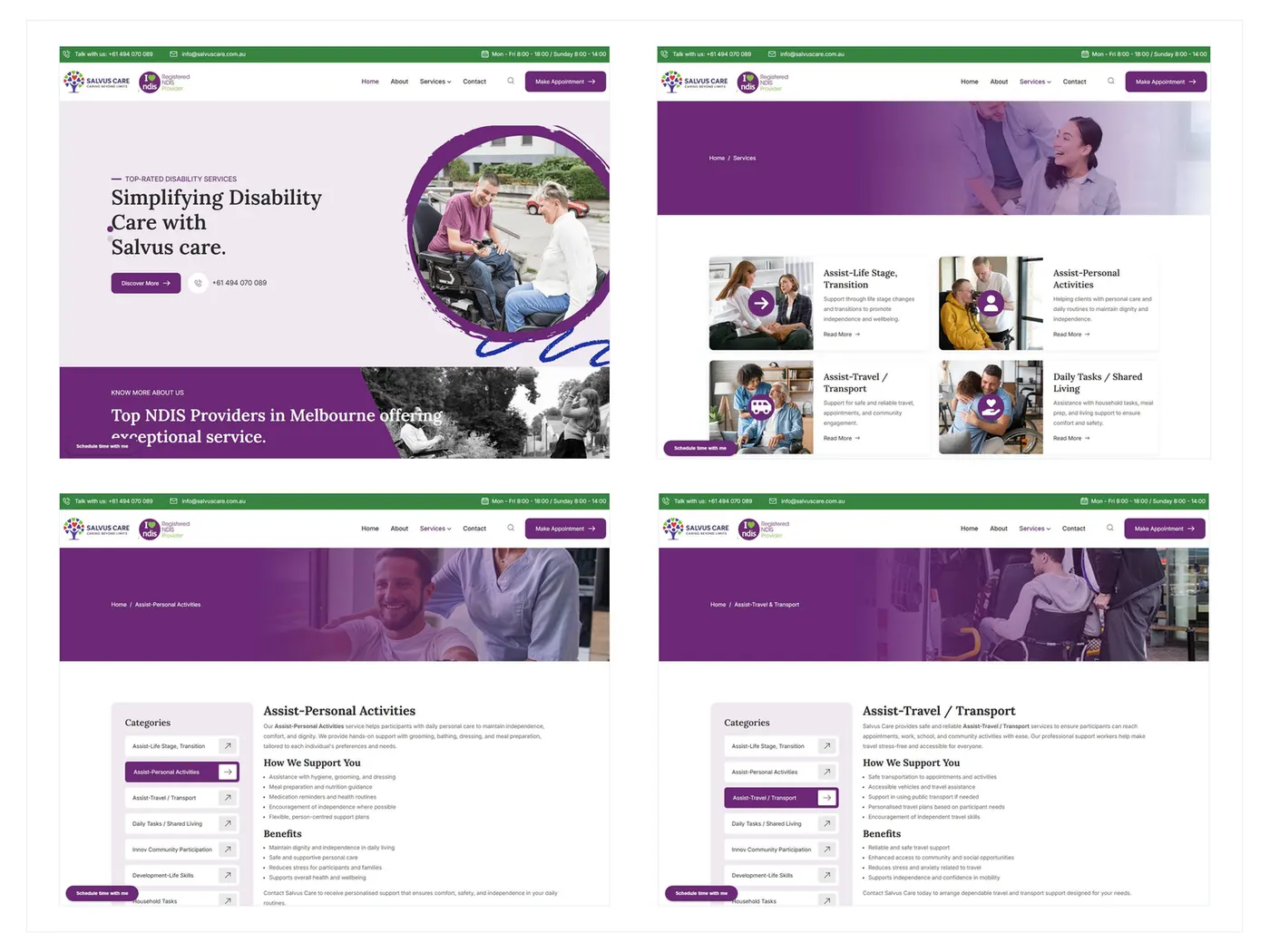
Care Services Website
An accessible responsive care-services website helping participants, families, carers, and referral partners understand NDIS and daily-support services.
View detailExplore more
This case study turns Vertical marketplace platform into a fuller buyer journey: the software problem, the product pressure, the architecture support behind execution, and the next step for US and UK businesses facing similar growth pressure.
Digital Product Agency model: Strategy, Design, Technology, and Growth.
Product strategy, discovery, MVP roadmap, and go-to-market before expensive builds.
Product design, design systems, web/mobile UX, and conversion-focused interfaces.
Product engineering for SaaS, AI, web, and mobile — architecture as support, not the brand.
Clarify ICP, MVP boundaries, and roadmap so design and engineering build the right product.
View detailValidate B2B workflows and buyer friction before you hard-code assumptions.
View detailDesign SaaS experiences that make complex workflows clear, trustworthy, and usable.
View detailGrow demand with SEO and growth work tied to offers you can actually deliver.
View detailSaaS, AI, web, mobile, backend APIs, and DevOps — inside the same Digital Product Agency model as Strategy, Design, and Growth.
Frontend, backend, APIs, databases, subscriptions, dashboards, integrations, and deployment.
View detailAI-enabled products, automation, LLM workflows, orchestration, and production readiness.
View detailPortals, dashboards, admin tools, workflow platforms, and custom web applications.
View detailiOS and Android delivery connected to shared APIs, auth, notifications, and product data.
View detailSecure APIs, roles, permissions, integrations, queues, webhooks, payments, and data foundations.
View detailCI/CD, cloud ops, monitoring, and production support connected to product delivery.
View detailMove into proof, insights, or a conversation when the challenge is clear enough to discuss.
Compare Strategy, Design, Technology, and Growth paths.
View detailFlagship projects across SaaS, marketplaces, web, and mobile.
View detailHow strategy, design, and engineering connect to outcomes.
View detailPractical guidance for scaling product and engineering teams.
View detailNamed proof around delivery and partnership quality.
View detailBring the product challenge into a direct conversation.
View detailBring the current delivery, reliability, or architecture pressure into a direct conversation. We will help you clarify the next practical sequence.